Introduction
Is your equipment hard to move? Installing caster wheels can make it easier and smoother.
In this guide, we cover a 5 Step Guide to Caster Wheel Installation. You’ll learn how to install casters correctly for better mobility and safety.
By the end, you’ll understand how to choose the right casters for your needs. At KOSTER, we offer durable casters that ensure smooth movement. Learn more about our products.
Step 1: Preparing Your Work Surface
Clear and Secure Your Workspace
Before starting, it’s crucial to clear your workspace of any obstacles and ensure the area is clean and organized. This step is especially important when working with large or heavy items that require extra support during installation. If the item is heavy, ensure it’s securely propped up to avoid accidents during the process.
If you’re replacing old casters, carefully remove them before proceeding. Make sure there’s enough space to fit the new casters and tools, which will make the installation process smoother and more efficient. A tidy and organized work area can save you time and help prevent mistakes.
Safety Considerations
Safety should always be a top priority when installing casters. Make sure the item you're working on is stable and secure. If necessary, use a jack, stabilizing equipment, or another method to keep the item steady, especially if it's heavy. Wearing appropriate safety gear, such as gloves and eye protection, is essential to prevent injuries during the installation.
Gather the Right Tools
Having the right tools on hand will make the installation easier and more efficient. The essential tools include a wrench, measuring tape, pliers, and a rubber mallet. Depending on the type of casters you are installing, you may also need screwdrivers, bolts, or mounting hardware. Ensure that all tools are prepared in advance to minimize interruptions during the installation.

Step 2: Removing Old Casters
Safely Remove Old Casters
When replacing old casters, take care to remove them without damaging the item’s frame. If the casters are attached with screws or bolts, use the appropriate wrench or pliers to unscrew them. Be cautious not to strip the threads or damage the mounting holes, as you’ll need these for the new casters.
Once the old casters are removed, inspect the mounting socket carefully. Check that the socket is intact and undamaged to ensure a secure fit for the new casters. If the socket is worn or cracked, you may need to replace it before proceeding with the installation.
Examine the Mounting Socket
The condition of the mounting socket is vital to the successful installation of the new casters. Even the highest-quality casters will not perform well if the socket is damaged or worn out. If the socket is stable and in good condition, it will ensure that the casters are securely fitted, reducing the risk of instability or malfunction, particularly in heavy-duty applications.
Step 3: Inserting the Stem into the Mounting Socket
Align the Stem and Socket
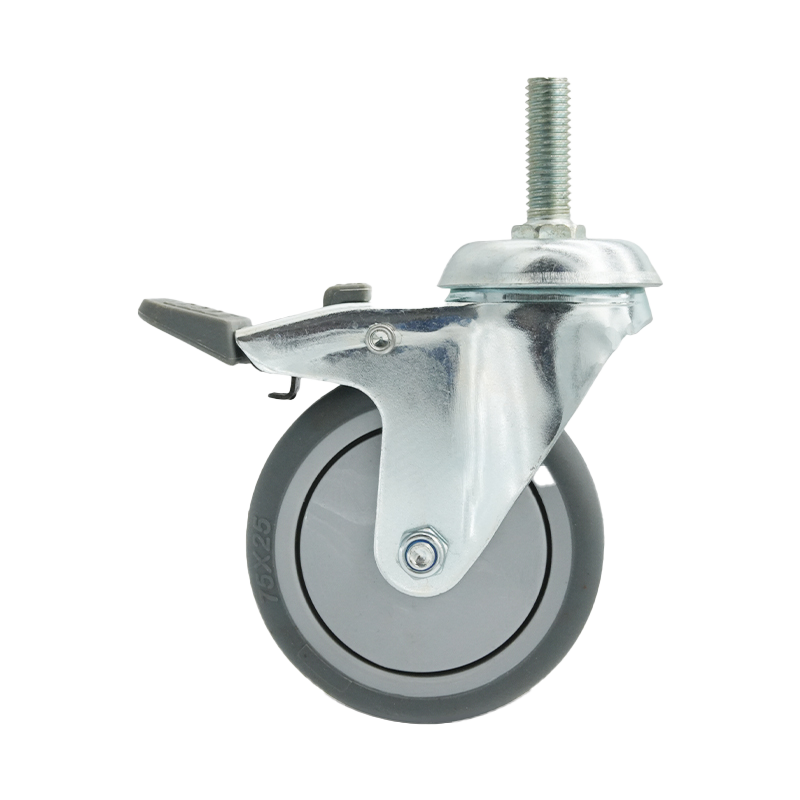
Now, take the new caster wheels and carefully align the stem with the mounting socket. It’s crucial to ensure that the stem fits snugly and lines up perfectly with the socket to prevent wobbling or instability after installation. For precision and strength, consider casters that are engineered for heavy-duty use, ensuring they will hold up under pressure while maintaining smooth movement.
Ensure the stem is seated correctly in the socket to maximize the caster’s functionality and longevity. A secure fit will prevent unnecessary wear and ensure optimal mobility.
Tap the Stem Gently (if necessary)
If the stem feels tight and doesn’t fit smoothly into the socket, use a rubber mallet to tap it gently into place. Be sure to use a piece of wood or another protective material between the mallet and the caster to avoid damaging the stem. This method ensures a secure fit without applying excessive force, which could potentially damage the caster.
For materials like TPR Silent Rubber Casters, this process will help secure the stem easily, offering smooth operation while maintaining durability. Rubber casters are particularly suited for quiet environments like offices or hospitals.
Check for Proper Fit
After inserting the caster, double-check that the stem is fully inserted into the socket. A proper fit is crucial for ensuring the caster is stable and will not shift or wobble when in use. This is especially important in settings where reliability and precision are necessary, such as retail setups, industrial machinery, or office equipment. Confirming the fit will prevent any movement that could lead to instability or failure.
By following these steps, you’ll set the foundation for a secure and reliable caster installation that will enhance the mobility and functionality of your equipment.
Material | Advantages | Disadvantages | Best Use |
TPR Silent Rubber | Floor protection, quiet operation, smooth movement | Lower load capacity, may wear out faster on rough floors | Office furniture, medical equipment |
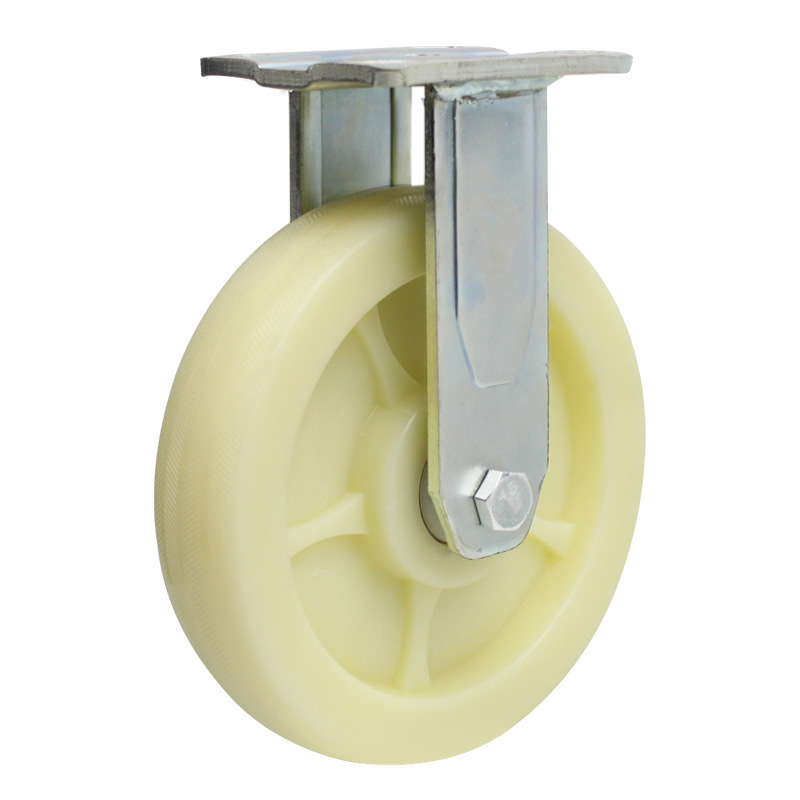
Nylon | High load capacity, chemical resistance | Hard, can damage floors, noisy | Industrial machinery, heavy-duty carts |
Polyurethane | Durable, abrasion-resistant, non-marking, floor-friendly | More expensive, potential for flat-spotting | Heavy-duty carts, industrial applications |
Steel | High load capacity, heat-resistant, long-lasting | Heavy, noisy, can damage floors | High-temperature environments, heavy machinery |
Step 4: Securing the Caster in Place
Tighten the Caster
Once the caster is correctly positioned and aligned in the mounting socket, it’s time to secure it in place. Use a wrench or screwdriver to tighten the screws or bolts. Be sure to tighten them securely to ensure the caster stays in place during operation. However, avoid over-tightening, as this could damage the mounting components or cause the casters to misalign.
For added stability, make sure the caster is firmly attached. If you're installing casters designed for heavy-duty use, like nylon or polyurethane casters, ensure they are tightly secured. These materials are designed to handle high-load applications and provide the strength and durability needed for reliable performance in demanding environments.
Check for Stability
After tightening the caster, test it to ensure it is stable. The caster should be firmly attached without any wobbling or shifting. To do this, rotate the caster or apply pressure to check its stability. This will ensure that it is securely in place and will perform well under load. If your caster has locking mechanisms, be sure to test them as well. Locking casters should securely hold the equipment in place when the brake is engaged, providing additional safety and stability when necessary.
Load Capacity | Caster Wheel Size (Diameter) | Recommended Material |
Light (up to 100 lbs) | 2 - 3 inches | Rubber, Polyurethane |
Medium (100 - 300 lbs) | 4 - 6 inches | Polyurethane, Nylon |
Heavy (300+ lbs) | 6 - 8 inches | Polyurethane, Steel |
Step 5: Testing and Adjusting Mobility
Test the Movement
After installing all the casters, it’s essential to test the mobility. Flip the item upright and move it across the floor to ensure smooth rolling. Pay attention to how easily the equipment moves in all directions. Casters like TPR Silent Rubber Casters are designed to offer a quiet and smooth movement, making them ideal for environments like offices and medical settings where noise reduction is crucial.
If you notice any resistance or uneven movement, it may be due to improper installation or misalignment. Double-check that each caster is securely fastened and aligned correctly. If necessary, adjust the position or height of the casters to ensure even contact with the floor.
Adjust Height if Necessary
If certain casters are not making full contact with the floor, you may need to adjust their height using washers or spacers. This ensures that all casters are equally engaged, which helps evenly distribute the weight and reduces wear on individual wheels. Proper height adjustment is key to maintaining overall stability and smooth performance.
Test Swivel and Brake Functionality
If your casters include swivel functionality or locking mechanisms, it’s important to test them as well. Rotate the casters to make sure they swivel smoothly, allowing easy movement in all directions. Additionally, check that the brake mechanisms work effectively. Locking the brakes should securely hold the equipment in place, ensuring safety and stability when stationary.

Troubleshooting Common Caster Installation Issues
Wobbling Casters
Wobbly casters are a common issue and usually occur due to improper installation or alignment. If your casters wobble, check that the stem is securely inserted and properly aligned with the mounting socket. Misalignment can cause instability, so recheck the fit and make any necessary adjustments to ensure that the caster sits firmly in place.
Squeaky Wheels
Squeaky wheels are often caused by friction in the bearings. If you hear squeaking sounds, apply a lubricant to the bearings of each caster. This reduces friction, eliminates noise, and improves the smoothness of movement. Regular lubrication during maintenance will also help prolong the lifespan of the casters and ensure quiet, efficient operation.
Hard-to-Install Casters
At times, casters may be difficult to install due to mismatched stem sizes or mounting socket issues. Ensure that the size of the stem matches the mounting socket. If the stem is too tight, gently tap it into place with a mallet. Be patient and make sure the caster aligns correctly without forcing it. If needed, consider replacing the stem or socket to ensure a proper fit.
Issue | Cause | Solution |
Wobbling Casters | Misaligned stem or socket | Ensure proper insertion and alignment of the stem. |
Squeaky Wheels | Lack of lubrication or high friction | Apply lubricant to the caster’s bearings. |
Hard-to-Install Casters | Incorrect stem size or misfit in the socket | Double-check caster size; tap gently into place. |
Conclusion
Proper caster wheel installation is crucial for smooth mobility and durability. By following five simple steps—preparing the workspace, removing old casters, securing the new ones, and testing mobility—you can ensure reliable performance. Regular maintenance will extend the life of your casters and improve efficiency.
Selecting the right caster material, such as nylon swivel casters for machinery or TPR Silent Rubber Casters for quieter operations, ensures long-lasting, smooth movement. At KOSTER, we provide high-quality casters designed to enhance mobility and stability for various applications.
FAQ
Q: What is the first step in installing caster wheels?
A: The first step in installing caster wheels is preparing your workspace. Ensure it's clean and secure before starting the installation process.
Q: Why do I need to remove old casters before installing new ones?
A: Removing old casters ensures that the mounting socket is in good condition and ready for the new casters, preventing installation issues.
Q: How can I ensure my caster wheels are installed properly?
A: Make sure the stem fits snugly into the socket, and the caster is securely fastened with no wobbling. Test the movement before finalizing the installation.
Q: What types of casters are best for heavy-duty use?
A: For heavy-duty applications, casters made from nylon or polyurethane are ideal due to their strength and high load-bearing capacity.