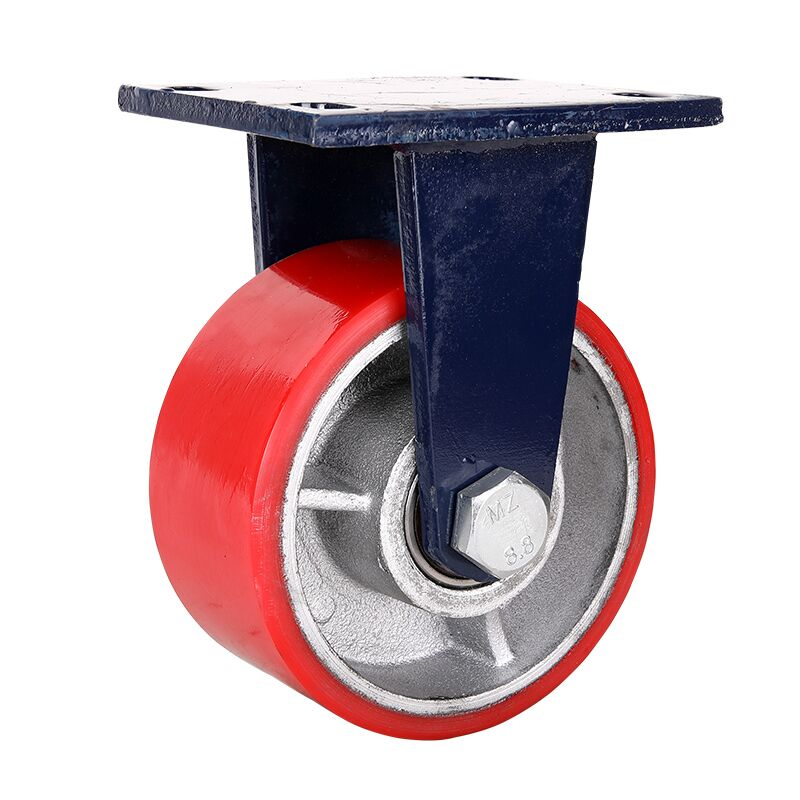
Failing mobility equipment silently drains your budget and your physical health. Deep scratches on hardwood floors, strained backs from pushing dead weight, and unexpected industrial downtime are common costs of ignoring degraded components. Many people unnecessarily discard expensive chairs or utility carts when just the rolling mechanisms fail. Replacing a Caster Wheel offers a fast, high-ROI maintenance solution to restore full functionality. However, doing so successfully requires precise measurements and proper extraction techniques, rather than relying on guesswork and brute force. This comprehensive guide walks you through the entire replacement process from start to finish. We cover safe removal methods for severely seized stems, exact sizing rules for new units, and the math behind load capacity. Whether you are fixing a simple home office chair or upgrading your facility with heavy-duty Industrial Caster Wheels, you will learn exactly what to do.
Key Takeaways
Extraction requires technique, not just force: Most friction-grip stems can be removed manually, but rusted or vintage sockets require specific leverage tools (flathead screwdrivers, vice grips).
Measurement is the primary failure point: Purchasing a replacement requires exact dimensions of the stem (length and diameter) or top plate, plus mounting height.
Upgrades yield long-term ROI: Switching from standard twin-wheels to single polyurethane rollerblade-style wheels prevents floor damage and reduces maintenance (hair/debris tangling).
Industrial applications demand safety redundancy: Heavy-duty replacements must factor in dynamic load limits and environmental safety multipliers (1.35x to 3x base load).
1. Recognizing When It’s Time to Replace Your Caster Wheel
Functional wheels should glide smoothly and lock securely. When they degrade, pushing heavy equipment requires significantly more physical effort. This increases ergonomic risks for operators daily. In a business setting, poor mobility means wasted time and lowered productivity. You must define clear success criteria for your equipment. Good hardware moves effortlessly, operates quietly, and stops instantly upon braking.
Look for distinct physical wear indicators. Check the outer treads closely. Cracked rubber or severe flat-spotting indicates immediate end-of-life. Inspect the metal yokes holding the assembly together. Oxidized or corroded metal yokes weaken structural integrity over time. Weak yokes eventually collapse under heavy loads. You will also notice frequent functional failures. Side brakes or top brakes might fail to engage securely. Swivel bearings often seize from excessive dust buildup. A seized bearing creates unpredictable steering and erratic tracking. This greatly increases workplace accident risks during rapid transport.
Pay close attention to surface damage around your facility. Frame deep scratches on wood floors as a critical warning. Epoxy surfaces also sustain deep gouges from locked or dragging wheels. Stop using the damaged equipment immediately. Prompt hardware replacement prevents costly facility repairs later.
2. How to Remove an Old or Stuck Caster Wheel
First, prepare your workspace safely. Invert the chair or cart completely. This gives you safe, direct access to the base. Lay down a heavy drop cloth underneath the equipment. It catches falling grease, dirt, and rusted debris. Determine your exact connection type before pulling. Removing threaded stems is straightforward. Turn them counter-clockwise until they unthread completely from the socket. Grip-ring stems rely entirely on internal friction. Grab the base firmly and pull outward. Wrap a thick towel around the unit for extra hand grip.
You will often encounter severely seized units. Experience shows you need mechanical advantage here. Use the leverage method first. Wedge a sturdy flathead screwdriver between the base and the frame. Tap the tool in using a hammer if the gap is tight. Pry downward gently to pop it out. Sometimes the plastic breaks off completely. The metal socket remains stuck inside the leg. Use the vice grip method here. Clamp locking pliers onto the exposed metal pin. Twist firmly while pulling upward to break the internal rust bond.
Older wooden furniture requires extra care and patience. They often utilize pounded-in metal sockets. These feature hidden internal pressure rings. Pry them out extremely carefully. Hasty pulling easily splits the aged wood. Work your pry bar slowly around the entire circumference.

3. Measuring the Existing Wheel for an Exact Match
Guessing dimensions almost always leads to installation failure. Inaccurate sizing causes wobbly, unsafe equipment. You must measure the old unit precisely. Use digital calipers instead of a standard tape measure. Tape measures lack the millimeter precision required for snug fits.
Stem sizing follows strict industry rules. The baseline standard for most office chairs remains highly consistent. Expect a length of 7/8 inches and a diameter of 7/16 inches. However, always verify this manually. European models often deviate slightly from this standard.
Heavy-duty equipment handles larger weights differently. Robust Industrial Caster Wheels usually rely on top plates. Measure the exact bolt-hole spacing carefully. Do not just measure the outer plate edges. Hole patterns dictate actual frame compatibility. Mounting height is another critical metric to capture. Measure from the bottom edge of the wheel. Stop at the top of the mounting plate or stem base. This guarantees your equipment remains perfectly level.
Measurement Type | What to Measure Precisely | Why It Matters |
Stem Diameter | Width of the bare metal pin | Ensures the pin fits tightly into the socket without slipping. |
Stem Length | Base plate to the top of the pin | Prevents the wheel from falling out or wobbling during motion. |
Bolt-Hole Spacing | Distance from hole center to hole center | Allows correct alignment with existing threaded frame holes. |
Mounting Height | Floor contact point to equipment base | Maintains the original ergonomic height and prevents tilting. |
4. Selecting the Right Upgrade for Your Use Case
Selecting a replacement means solving your initial pain point permanently. Guide your choice using a feature-to-outcome evaluation. Match the tread material to your specific environment. Hard floors require much softer materials. Wood and tile scratch easily under hard plastics. Choose polyurethane or rollerblade-style options. They glide smoothly without leaving scuff marks. Soft floors demand the exact opposite approach. Thick carpet requires harder materials for easy mobility. Select nylon or hard plastic options here. They push through carpet fibers easily.
Consider long-term rolling action and ongoing maintenance. Twin-wheel designs dominate the budget market globally. They frequently accumulate trapped hair and dust between the plastic guards. This creates a high total cost of ownership due to constant cleaning. Single-wheel rollerblade styles offer a superior alternative. They feature tightly sealed ball bearings. This design provides zero-maintenance longevity. Debris cannot enter the bearing housing.
Sometimes, the original frame socket is completely stripped or damaged. You need alternative mounting solutions. Expanding stems offer a great fallback mechanism. They widen inside hollow metal tubes for a tight, secure grip. Hollow kingpin designs work exceptionally well too. You simply drop a sturdy bolt right through the center hole. This bypasses the need for perfectly threaded inner walls.
5. Calculating Load Capacity for Industrial Caster Wheels
Heavy carts and machinery demand strict safety math. Scalability and compliance are non-negotiable here. Overloading causes catastrophic mechanical failures and workplace injuries. You must determine the absolute minimum load requirement before purchasing. Industrial environments punish weak hardware.
Use the standard base formula first:
Find the total empty weight of the cart or machine.
Add the absolute maximum expected payload it will carry.
Divide this total sum by the number of wheels installed.
The resulting number is your minimum load capacity per unit. But you cannot stop there. You must apply environmental safety factors. Real-world conditions add severe dynamic stress. Indoor, manual pushing changes the requirements slightly. If speeds remain under 3 mph, multiply your base load by 1.35. Power-towed applications face intense impact shocks. Outdoor rough terrain causes similar dynamic stress through constant vibration. Multiply your base load by 2.0 to 3.0 in these demanding scenarios.
Operating Environment | Propulsion Method | Required Safety Multiplier |
Smooth Indoor Flooring | Manual Push (<3 mph) | 1.35x Base Load |
Rough Indoor/Outdoor Terrain | Manual Push | 1.80x Base Load |
Smooth Factory Floors | Power-Towed Equipment | 2.00x Base Load |
Rough Terrain / Heavy Impact | Power-Towed Equipment | 3.00x Base Load |
6. Installing the New Replacement Casters
Proper installation ensures long-lasting, safe performance. Start by preparing the mounting area thoroughly.
Clean out the empty socket completely using a wire brush.
Check wooden frames for hidden internal splits.
Inspect metal tubes for sharp internal burrs.
Apply standard lithium grease inside the socket wall.
Grease allows for much easier seating during insertion. Move on to the active insertion phase. Grip-rings require firm, direct upward pressure. Push them straight into the hole. Sometimes you encounter high resistance. Use a rubber mallet to help seat them. Strike the back of the metal raceway gently. Never hit the actual wheel tread directly. You will shatter the inner plastic hub.
Top-plates require a different approach entirely. Align the plate exactly over the existing threaded holes. Insert your bolts carefully by hand first. You must use lock washers here. They prevent daily vibration from loosening the nuts over time. Apply appropriate torque to each bolt evenly. Work in a diagonal pattern.
Always conduct a final testing phase. Roll the equipment while it remains completely unloaded. Verify the swivel action feels smooth and unrestricted. Engage the brakes to confirm they hold securely. Load the equipment and test it again. The cart should maneuver easily under full maximum weight.
Conclusion
Replacing a degraded rolling mechanism is a highly manageable process. You simply need accurate measurements and correct load requirements. Stop viewing this task as a frustrating repair. View it as a strategic operational upgrade. New mobility hardware instantly improves daily equipment ergonomics. It protects expensive facility flooring from permanent, costly damage. Upgrading ensures strict workplace safety standards remain uncompromised.
Do not let stubborn rust or confusing sizing charts stop you. Grab your digital calipers right now. Measure your current stem length and diameter accurately. Assess your floor material and maximum weight needs. Consult a specialized supplier to source your perfect replacement set today.
FAQ
Q: Can I mix and match different caster wheels on the same chair/cart?
A: No. Mixing different models creates severe safety risks. Mismatched mounting heights cause unstable, wobbly equipment. Different tread materials possess varying friction coefficients. This mismatch causes unpredictable steering and uneven load distribution, leading to premature frame failure. Always replace the entire set simultaneously.
Q: What is the difference between a grip neck and a grip ring stem?
A: A grip ring stem features a small, expandable metal band near the top. This band creates friction inside modern metal sockets. A grip neck stem features a wider, flared top instead. It snaps securely into a specialized pressure ring, typically found only in vintage wooden furniture legs.
Q: How do I remove a caster wheel if it's completely rusted into the metal leg?
A: Start by spraying a penetrating oil like WD-40 directly into the socket joint. Let it soak for at least 24 hours. Once soaked, clamp heavy-duty locking pliers onto the exposed metal stem. Apply rotational leverage by twisting back and forth. This breaks the rust bond for easier extraction.
Q: Are all office chair wheels a universal size?
A: No. While approximately 95% of standard office chairs use the universal 7/16" by 7/8" grip ring stem, exceptions exist. Many European furniture brands use a slightly smaller 10mm stem. Always measure your existing stem exactly with digital calipers before ordering replacements.