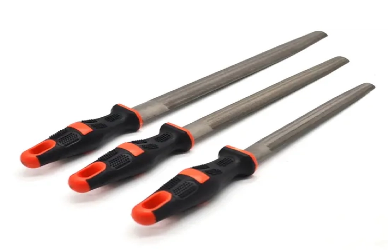
Metal files are vital tools for shaping, smoothing, and refining materials like metal, wood, and plastic. Whether you're tackling a DIY project at home or working on a professional task that requires precision, achieving smooth surfaces and edges is key for both function and appearance. With a wide variety of metal files available, each designed for different jobs, from rough filing to delicate finishing, selecting the right file and using it properly can greatly influence the outcome of your work. This guide will walk you through the necessary techniques for using metal files to create smooth, accurate surfaces and edges, helping you achieve excellent results every time.
Types of Metal Files and Their Uses
1.Flat Files
Flat files have a rectangular shape and are ideal for general filing tasks, such as smoothing flat surfaces, deburring, and shaping edges. They are versatile and widely used in metalworking, woodworking, and DIY projects. Available in various grades, flat files offer precise filing for materials like aluminum, brass, and steel.
Best Use: Smoothing flat surfaces and removing sharp edges.
2.Round Files
Round files are cylindrical and taper to a point. They are perfect for filing holes, cylindrical shapes, and internal curves. Ideal for enlarging holes, round files provide access to tight spaces, making them useful for pipes, tubes, and rounded grooves.
Best Use: Enlarging holes and filing internal curves.
3.Half-Round Files
Combining flat and round surfaces, half-round files are versatile tools for filing both flat and curved surfaces. They are useful for metalworking, woodworking, and auto repair, providing flexibility when working on intricate shapes and edges.
Best Use: Filing both flat and curved surfaces.
4.Needle Files
Needle files are small, precise tools ideal for detail work. Their fine teeth make them perfect for filing small areas, removing imperfections, and achieving intricate designs in jewelry, electronics, and metalwork.
Best Use: Fine detail work and precision filing.
5.Rasp Files
Rasp files feature coarse teeth designed for rough filing and rapid material removal. Best used on wood, soft metals, or plastics, they are ideal for reshaping or smoothing rough edges quickly, though they leave a rougher finish.
Best Use: Rapid material removal and rough shaping.

Preparing for Filing
1.Safety Considerations
Before beginning any filing task, it is important to prioritize safety. Always wear gloves to protect your hands from sharp edges and debris. Goggles are crucial for shielding your eyes from flying particles, especially when filing hard metals or rough surfaces. Additionally, consider wearing a dust mask if you’re working with materials that produce fine dust, such as wood or plastic, to protect your respiratory system. Using proper safety gear will help reduce the risk of injury during the filing process.
2.Material Selection
Choosing the right metal file is essential for achieving the best results. The material of both the file and the workpiece must be compatible. For example, high-carbon steel files are well-suited for softer metals like aluminum and brass, while carbide or diamond-coated files are better for harder materials like titanium or stainless steel. When working with wood or plastic, you may need files designed for softer materials, such as rasp files or fine-cut files, to achieve a smooth finish. Always select a file that is designed for the specific material you’re working with to ensure optimal performance and reduce wear on the tool.
3.Preparing the Workpiece
Properly securing the workpiece is critical to ensure accurate filing and avoid accidents. Use a clamp or vise to hold the material firmly in place while filing. This prevents the workpiece from shifting, which can lead to misaligned cuts and potential injury. Make sure the material is positioned at the correct angle, especially when using a 5-axis CNC machine or filing delicate parts. When working with larger materials, ensure that they are stable and won’t move during the filing process to maintain precision.
4.Inspecting the File
Before starting, always inspect the metal file for any signs of wear or damage. Check the teeth of the file to ensure they are sharp and free of debris. A worn or damaged file will not work effectively and may result in a rougher finish or inefficient material removal. Also, make sure the handle of the file is secure and free of cracks. Regularly maintaining and checking your tools ensures longer tool life and better filing results. If the file shows signs of excessive wear or damage, it is time to replace it.
Techniques for Using Metal Files
1.Holding the File
To maintain control and prevent accidents, hold the file handle firmly with your dominant hand, and guide the tip with your other hand. This ensures stability, especially on harder materials or intricate areas. Avoid gripping too tightly, as excessive force can cause fatigue and damage the file or workpiece.
2.Filing Motion
Use smooth, controlled strokes with even pressure to ensure consistent material removal. Avoid jerky movements, which can create uneven surfaces. Let the file teeth do the work and don’t force the file through the material, which helps maintain a cleaner result and reduces wear.
3.Direction of Filing
File in a single direction to achieve smoother results and avoid rough edges. Going back and forth can cause uneven cuts and wear down the file teeth, leading to less precise work. Cross-filing is sometimes necessary for certain tasks, but should be done carefully to avoid damaging the surface.
4.Angle of Approach
File at the right angle for efficiency and precision. For flat surfaces, maintain a 15-30 degree angle to the material. Adjust the angle for curves or edges to ensure even material removal without distortion or over-filing, which helps achieve a smoother surface finish.
5.Using the Right Pressure
Apply consistent, moderate pressure throughout the stroke. Too much pressure can wear out the file, while too little can make the process slower. Maintain an even amount of pressure to allow the file teeth to cut into the material effectively, avoiding material damage and tool wear.
Achieving Smooth Edges and Surfaces
1.Filing Edges
To smooth rough edges on metal, wood, or plastic, use a flat or needle file. Hold the file at a slight angle and file in a single direction to create clean lines. Apply even pressure for uniform edges. For detailed work, especially on softer materials like plastic, use a needle file to avoid over-filing.
2.Smoothing Surfaces
Start with a rough-cut file to remove larger imperfections, then use a medium-cut file for finer adjustments. For flat surfaces, use a flat file to ensure an even finish. On curved surfaces, a half-round file is best for maintaining shape. Apply light pressure for a consistent smoothness without distorting the material.
3.Finishing Touches
Use a fine-cut file or needle file to smooth out tool marks or scratches. For a more polished surface, consider wet sanding or polishing for a smooth, high-quality finish. These finer files help achieve a refined result, making the surface uniform and polished.
Post-Filing Maintenance
1.Cleaning the Workpiece
After completing the filing process, it's important to remove any debris and filings from the workpiece. Use a brush or compressed air to clear away small particles, ensuring the surface is clean and ready for further processing. If necessary, wipe down the workpiece with a clean cloth to remove any remaining dust or residue.
2.File Care
To ensure the longevity and effectiveness of your metal file, it’s essential to clean it after every use. Brush off any debris from the file's teeth to prevent clogging, and store it in a dry place to avoid rust. For high-carbon steel files, apply a small amount of oil to prevent corrosion. Regularly check the file for any signs of wear or damage, and replace it when necessary to maintain optimal performance.
3.Checking the Finish
After filing, inspect the result to ensure the surface is smooth and even. Check for any tool marks, rough spots, or imperfections. If the finish is uneven, use a finer file or polishing tool to achieve a more refined surface. A consistent, smooth finish is the goal, especially in precision applications where even the smallest imperfections can impact performance.
FAQ Section
1.What type of metal file should I use for smoothing edges on aluminum?
For aluminum, use a medium-cut or fine-cut flat file. Aluminum is soft, so choose a file with coarser teeth for faster removal but avoid rough files to prevent uneven edges. For a finer finish, switch to a fine-cut file after smoothing out the rough edges.
2.How do I avoid creating rough edges when using a metal file?
To avoid rough edges, use smooth, controlled strokes and file in one direction. Apply even pressure to maintain a consistent finish. Lighten your grip as you approach the finish to remove smaller amounts of material for smoother edges.
3.Can I use a metal file on plastic materials?
Yes, you can use a metal file on plastic, but choose a fine-cut or needle file for precision. Avoid filing too aggressively to prevent cracking or tearing. Use light pressure and keep the file at a low angle to achieve a clean finish.
4.How can I maintain my metal file to ensure it lasts longer?
To extend your metal file's life, clean it after use, removing debris. Apply a light coat of oil to prevent rust, especially after using it on wet materials. Store it in a dry place and regularly check for wear to keep it in optimal condition.
Conclusion
Using metal files correctly is essential for achieving smooth edges and surfaces on a variety of materials. By selecting the right file type for the job and employing the proper techniques, you can achieve precision, efficiency, and a high-quality finish. Whether you’re working with metal, plastic, or wood, proper filing technique, including controlled pressure, proper angles, and consistent strokes, is key to avoiding rough edges and achieving a flawless surface. Regular maintenance of both the files and the workpieces will ensure long-lasting performance and optimal results. With practice and attention to detail, mastering the use of metal files will significantly enhance your craftsmanship, whether for DIY projects or professional applications.