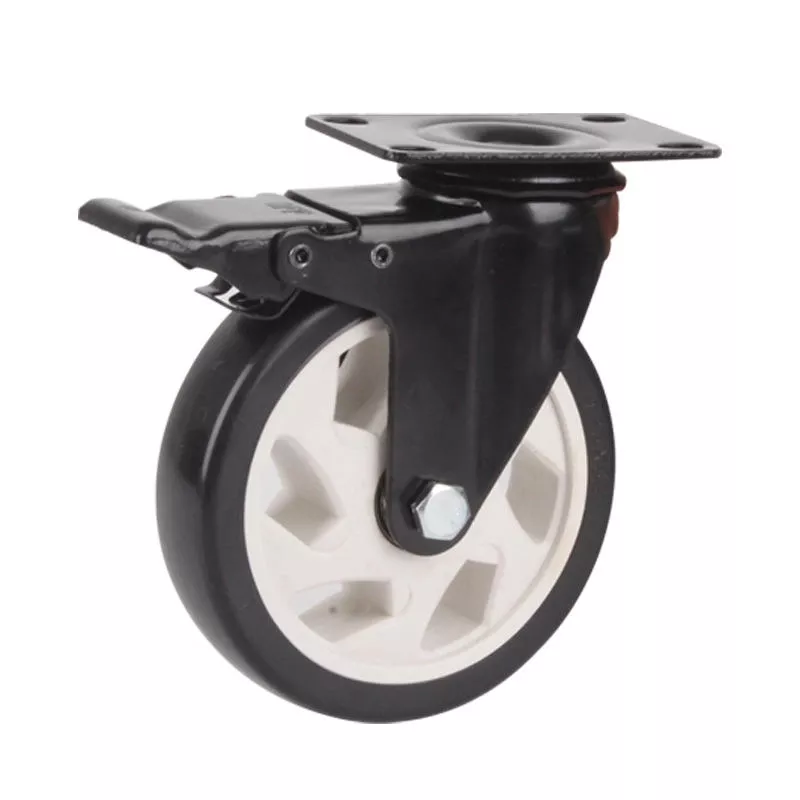
Selecting the correct caster wheel size is a fundamental step in ensuring stability, load performance, and efficient movement in both industrial and commercial environments. A caster wheel that is too small may struggle under heavy loads, while a caster wheel that is too large may affect equipment height and maneuverability. The balance between size, load capacity, and application requirements determines how effectively a caster wheel performs.
In industrial settings, caster wheelsize plays an even more critical role due to heavier loads, continuous operation, and demanding floor conditions. Understanding how to choose the right caster wheel size involves evaluating multiple factors, including diameter, load distribution, surface type, and operational requirements. Each of these elements contributes to the overall performance and durability of the caster wheel system.
Key Takeaways
● Thecorrect casterwheel size directly affects load capacity, mobility, and stability.
● Larger caster wheel sizes perform better on uneven surfaces and under heavy loads.
● Smaller caster wheel sizes are suitable for compact and light-duty applications.
● Load weight and floor conditions are the most important factors in size selection.
● Proper caster wheel sizing improves efficiency and reduces long-term wear.
What Does Caster Wheel Size Mean?
Wheel Diameter
Caster wheel size is most commonly defined by the diameter of the wheel, which is the distance across it from one side to the other. This dimension directly affects how smoothly a caster wheel moves, especially over uneven surfaces or obstacles. A larger diameter reduces rolling resistance and allows easier movement under load.
Wheel diameter also influences load capacity, as larger caster wheels distribute weight more evenly and reduce stress on both the wheel and the floor. Smaller diameters are typically used in space-limited or light-duty applications. Because it affects both mobility and durability, diameter is the primary factor when selecting caster wheel size.
Wheel Width
Wheel width refers to the thickness of the caster wheel and determines how much surface area contacts the ground. A wider caster wheel provides better load distribution and stability, especially in heavy-duty applications, while also helping reduce floor wear.
Narrower caster wheels are more suitable for lighter loads and applications that require easier turning and compact design. However, they may not offer enough support under higher loads. For this reason, width should always be considered together with diameter when defining caster wheel size.
Overall Height
Overall height is the distance from the ground to the top of the mounting structure, and it determines how the equipment sits after installation. This measurement affects alignment, stability, and compatibility with surrounding systems.
A taller caster wheel increases ground clearance but may raise the center of gravity, while a lower one improves stability but limits obstacle clearance. Selecting the correct overall height ensures proper integration with equipment and stable operation.
Key Factors That Determine Caster Wheel Size
Load Capacity Requirements
Load capacity is the most important factor when choosing caster wheel size because it directly affects safety and service life. The total weight of the equipment, including any working load, should be calculated first and then divided by the number of caster wheels to determine the required capacity for each unit.
In actual use, weight is not always distributed evenly, so a safety factor is usually added. In most cases, selecting a caster wheel with 1.2 to 1.5 times the calculated capacity provides better reliability and reduces the risk of early wear or failure.
Floor Conditions
Floor conditions have a major influence on caster wheel size selection. Rough or uneven surfaces usually require larger caster wheel diameters to maintain smoother rolling and reduce resistance, while smaller caster wheels are generally more suitable for smooth floors.
In many industrial environments, floor conditions may vary from one area to another. For that reason, a larger caster wheel size often delivers more stable movement, lower friction, and less wear on both the wheel and the floor.
Maneuverability and Movement
Caster wheel size also affects how easily equipment can be moved and controlled. Smaller caster wheels are easier to turn and are often preferred for tight spaces or applications that require frequent direction changes.
Larger caster wheels are less agile, but they roll more smoothly and require less force when moving heavy loads. The right choice depends on whether the application places greater importance on flexibility or rolling efficiency.
Equipment Height and Clearance
Caster wheel size directly changes the overall height of the equipment. A larger caster wheel increases ground clearance and improves movement over small obstacles, but it may also raise the center of gravity and reduce stability.
Smaller caster wheels lower the equipment and often improve balance, but they may limit movement on uneven surfaces. For this reason, height, clearance, and stability should always be considered together when selecting caster wheel size.
Industry and Application Needs
Different applications require different caster wheel sizes. Warehouse and transport equipment often use larger caster wheels to handle heavy loads and rougher surfaces, while manufacturing environments may also favor larger sizes for durability and continuous operation.
The best caster wheel size depends on the actual working environment and performance requirements. Matching the size to the application can improve reliability, reduce maintenance, and support longer service life.
Recommended Size Guide
Wheel Diameter | Typical Application |
2–3 inch | Light-duty equipment |
4–5 inch | Medium-duty carts |
6–8 inch | Heavy-duty industrial use |
8+ inch | Extreme industrial loads |
How to Calculate the Right Caster Wheel Size
Step 1: Determine Total Load Weight
The first step in selecting the correct caster wheel size is calculating the total load weight the system will carry. This includes the equipment itself as well as any materials or items added during operation. Accurate calculation is essential to avoid selecting an undersized caster wheel.
If part of the load is overlooked, the caster wheel may not perform properly or could fail under pressure. In industrial environments where loads can change, careful evaluation helps maintain reliability and safe operation.
Step 2: Divide by Number of Casters
Once the total load is known, it should be divided by the number of caster wheels to determine the load per wheel. This calculation assumes even distribution, which may not always reflect real conditions.
In practice, uneven surfaces or shifting loads can cause some caster wheels to bear more weight than others. Considering this factor ensures that each caster wheel performs reliably and maintains stability.
Step 3: Apply Safety Factor
A safety factor is applied to account for dynamic forces such as impact, movement, and uneven loading. Typically, a multiplier of 1.2 to 1.5 is added to the calculated load to provide a margin of safety.
Without this extra capacity, the caster wheel may operate at its limit, increasing wear and failure risk. Applying a safety factor improves durability and ensures more consistent performance.
Step 4: Match Load to Wheel Diameter
The final step is selecting a caster wheel diameter that matches the calculated load requirement. Larger caster wheel sizes are better suited for heavier loads and rougher conditions, while smaller sizes are appropriate for lighter applications.
Matching load to diameter ensures that the caster wheel performs efficiently in its working environment and completes the sizing process effectively.
![3db69d29-aa5d-439e-98be-60816c3bff22-640-640]()
How Caster Wheel Size Affects Performance
Larger Caster Wheels
Larger caster wheel sizes provide significant advantages in terms of load capacity and movement efficiency. They are better suited for handling heavy loads and can roll more easily over uneven or rough surfaces. This makes them ideal for industrial applications where performance and durability are essential.
The increased diameter allows for better weight distribution, reducing stress on individual components and extending the lifespan of the caster wheel. Additionally, larger wheels require less force to initiate movement, improving operational efficiency.
However, larger caster wheel sizes may reduce maneuverability, especially in confined spaces. This limitation should be considered when selecting the appropriate size.
Smaller Caster Wheels
Smaller caster wheel sizes are known for their agility and compact design, making them suitable for applications where space is limited. They allow for easier turning and more precise control, which is beneficial in environments requiring frequent directional changes.
Despite their advantages, smaller caster wheels may struggle under heavy loads or on uneven surfaces. They can experience increased wear due to higher pressure on a smaller contact area.
Selecting smaller caster wheel sizes requires careful evaluation of load and environment to ensure reliable performance.
Performance Comparison
Feature | Small Caster Wheel | Large Caster Wheel |
Mobility | High agility | Smooth rolling |
Load Capacity | Lower | Higher |
Surface Adaptability | Smooth floors | Rough surfaces |
Durability | Moderate | High |
Choosing Caster Wheel Size for Industrial Applications
Warehouse Equipment
In warehouse environments, caster wheel size must support heavy loads and frequent movement across large areas. Larger caster wheel sizes are typically preferred because they can handle uneven surfaces and reduce rolling resistance. This improves efficiency and reduces the physical effort required during operation.
The use of larger caster wheel systems also enhances durability, as they are better suited to withstand continuous use. This makes them a practical choice for demanding warehouse conditions.
Selecting the correct caster wheel size ensures reliable performance and minimizes downtime.
Manufacturing Machinery
Manufacturing equipment often operates under constant load and requires caster wheel systems that can endure prolonged use. Larger caster wheel sizes provide the necessary strength and stability for these conditions. They also reduce wear on both the wheel and the equipment.
In environments where debris and irregular surfaces are present, larger caster wheels maintain smoother movement and consistent performance. This contributes to operational efficiency.
Proper size selection ensures that manufacturing processes remain stable and uninterrupted.
Heavy-Duty Transport
Transport systems designed for heavy loads require caster wheel sizes that can withstand significant pressure. Larger caster wheel designs provide better support and ensure smooth movement even under extreme conditions. This is essential for maintaining safety during transport.
Durability is a key factor in these applications, and larger caster wheel sizes offer increased resistance to wear and damage. This reduces maintenance requirements over time.
Choosing the right caster wheel size ensures efficient and secure transport of heavy materials.
![e163b78b-ccfc-4a4a-a39b-993a5aa7cf4e]()
Common Mistakes When Choosing Caster Wheel Size
Choosing Too Small Diameter
Selecting a caster wheel that is too small for the intended load can lead to serious performance issues. It may result in increased rolling resistance, faster wear, and potential failure under pressure. This negatively affects both efficiency and safety.
Small caster wheels under heavy loads are more likely to deform or wear out quickly. This leads to higher maintenance costs and reduced lifespan.
Choosing the correct diameter prevents these problems and ensures reliable operation.
Ignoring Floor Conditions
Ignoring floor conditions during selection can result in choosing an unsuitable caster wheel size. Rough or uneven surfaces require larger caster wheels to maintain smooth movement. Smaller wheels may become stuck or require excessive force to move.
Failure to consider surface conditions increases wear and reduces efficiency. It can also lead to damage to both the caster wheel and the floor.
Proper evaluation of floor conditions ensures that the selected caster wheel performs effectively.
Not Considering Load Distribution
Uneven load distribution can place excessive stress on individual caster wheels, leading to premature wear or failure. Without proper planning, some wheels may carry more weight than others, reducing overall system stability.
Selecting caster wheel size without considering load distribution can compromise performance. Balanced load allocation ensures that each wheel functions within its capacity.
Accurate planning improves reliability and extends service life.
Overlooking Height Changes
Changes in caster wheel size can alter equipment height, which may affect alignment and stability. Ignoring this factor can result in operational issues, especially in systems requiring precise positioning.
An increase in height may raise the center of gravity, while a decrease may limit movement over obstacles. Both scenarios require careful evaluation.
Considering height changes ensures proper integration and maintains consistent performance.
Conclusion
Choosing the correct caster wheel size is essential for achieving optimal performance, durability, and safety in any application. By evaluating load capacity, floor conditions, maneuverability, and equipment requirements, it is possible to select a caster wheel size that meets operational demands. Proper sizing ensures efficient movement, reduces wear, and maintains stability across various environments.
For industrial applications requiring reliable performance and precise sizing, KOSTER provides caster wheel solutions designed to meet diverse load and operational requirements.
FAQs
What size caster wheel do I need?
The required size depends on load weight, floor conditions, and application type.
Does a larger caster wheel perform better?
Larger caster wheel sizes handle heavier loads and rough surfaces more effectively.
How do I calculate caster load capacity?
Divide total weight by number of caster wheels and apply a safety factor.
Can I replace caster wheels with different sizes?
Different sizes may affect height and stability, so matching specifications is recommended.
What size caster wheel is best for heavy loads?
Larger caster wheel sizes, typically 6 inches or more, are suitable for heavy-duty applications.