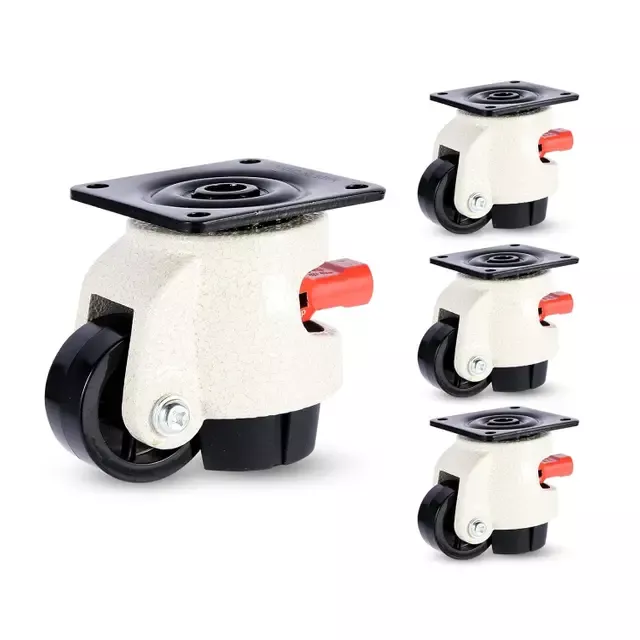
Measuring a caster wheel correctly is a critical step when replacing existing components or ensuring compatibility in new equipment. A small error in measurement can lead to instability, improper installation, or reduced performance. Whether the caster wheel is used in industrial machinery, carts, furniture, or medical equipment, precise dimensions determine how well it functions under load and during movement.
A caster wheel is more than just a rolling component; it includes a mounting structure, height specifications, and load-bearing characteristics. Because of this, measuring a caster wheel requires attention to multiple dimensions rather than focusing on the wheel alone. Understanding how to measure a caster wheel ensures proper alignment, safety, and long-term performance.
Key Takeaways
● Accurate caster wheel measurement ensures proper fit and stable operation.
● Key dimensions include diameter, width, height, and mounting type.
● Both wheel size and mounting specifications must be measured together.
● Incorrect caster wheel measurements can lead to installation failure or imbalance.
● Always measure worn caster wheel components carefully before replacement.
Understanding Caster Wheel Measurements
Why Accurate Measurement Matters
Accurate measurement of a caster wheel directly affects how equipment performs during use. If the caster wheel dimensions do not match the original specifications, the equipment may tilt, roll unevenly, or become difficult to control. This can reduce efficiency and increase wear on both the caster wheel and the equipment.
In industrial environments, even a small deviation in caster wheel height or diameter can disrupt workflow. Equipment may no longer align properly with work surfaces or transport systems. This can create operational inefficiencies and increase maintenance requirements.
A correctly measured caster wheel ensures compatibility with existing mounting points and load requirements. It also helps maintain balance and smooth movement across different surfaces.
Key Dimensions You Need to Measure
Measuring a caster wheel involves identifying several key dimensions that define its performance. These include the wheel diameter, width, overall height, and mounting specifications. Each dimension contributes to how the caster wheel behaves under load and during movement.
The diameter of a caster wheel determines its rolling efficiency and ground clearance. Larger diameters generally allow smoother movement over uneven surfaces, while smaller ones are suited for compact applications. Width affects stability and traction, especially when handling heavy loads.
The mounting system is equally important, as it determines whether the caster wheel can be installed correctly. Without accurate mounting measurements, even a properly sized wheel cannot function effectively.
Key Measurement Overview
Measurement | Description | Impact on Performance |
Wheel Diameter | Distance across the wheel | Affects load capacity and mobility |
Wheel Width | Thickness of the wheel | Influences stability and traction |
Overall Height | Ground to mounting top | Determines equipment alignment |
Mounting Type | Plate or stem | Ensures installation compatibility |
Step-by-Step Guide: How to Measure a Caster Wheel
Step 1: Measure the Wheel Diameter
To measure the diameter of a caster wheel, locate the widest point of the wheel and measure straight across from one edge to the other. This is typically done using a ruler or caliper placed through the center of the wheel. Accuracy is important, especially if the caster wheel has experienced wear.
The diameter of a caster wheel affects how easily it rolls over surfaces. Larger caster wheel sizes provide better movement across uneven floors, while smaller ones offer more compact design advantages. This measurement is essential when matching replacement components.
When measuring a worn caster wheel, it is important to consider whether the reduction in size has occurred due to usage. In such cases, referencing original specifications can help ensure accurate replacement.
Step 2: Measure the Wheel Width
The width of a caster wheel is measured across the tread, which is the part of the wheel that makes contact with the ground. This measurement determines how much surface area is used during movement. A wider caster wheel typically provides better stability.
Wheel width also affects load distribution. A narrow caster wheel may concentrate weight in a smaller area, leading to faster wear or reduced traction. A wider caster wheel distributes weight more evenly, improving durability.
This measurement is particularly important in applications where heavy loads are involved. Ensuring the correct width helps maintain balance and prevents unnecessary strain on the caster wheel.
Step 3: Measure the Overall Height
The overall height of a caster wheel is measured from the bottom of the wheel to the top of the mounting plate or stem. This dimension determines how the equipment will sit when the caster wheel is installed. Even a small difference in height can affect alignment.
Incorrect height measurement can lead to uneven surfaces or instability. For example, if one caster wheel is taller than the others, the equipment may tilt or wobble. This can impact both safety and usability.
Measuring overall height accurately ensures that all caster wheel units function together as intended. It also helps maintain consistent performance across all points of contact.
Step 4: Check the Mounting Type
Caster wheel mounting types generally fall into two categories: plate-mounted and stem-mounted. Identifying the correct type is essential before taking further measurements. Each type requires different measurement methods.
Plate-mounted caster wheel designs use a flat metal plate with bolt holes for attachment. Stem-mounted caster wheel types use a rod or threaded stem that fits into a socket. The mounting method determines how the caster wheel connects to the equipment.
Understanding the mounting type ensures that the replacement caster wheel will fit properly. It also prevents installation issues that may arise from incompatible designs.
Step 5: Measure the Bolt Hole Pattern
For plate-mounted caster wheel units, measuring the bolt hole pattern is necessary. This involves measuring the distance between the centers of each bolt hole. Both lengthwise and widthwise measurements should be taken.
Accurate bolt hole spacing ensures that the caster wheel aligns correctly with the mounting surface. If the spacing is incorrect, installation may not be possible without modification. This can lead to delays and additional costs.
Recording these measurements carefully helps maintain compatibility. It ensures that the caster wheel can be installed securely and function as intended.
Step 6: Inspect the Locking Mechanism
Some caster wheel designs include a locking or braking mechanism. This feature prevents movement when stability is required. Measuring and inspecting this mechanism ensures it fits within the available space.
The locking system may affect the overall dimensions of the caster wheel. It can also influence how the caster wheel operates under different conditions. Ensuring compatibility is important for proper functionality.
A properly fitted locking mechanism enhances safety and control. It is especially useful in environments where equipment must remain stationary.
![1]()
Understanding Caster Parts Before Measuring
Wheel
The wheel is the central component of a caster wheel and is responsible for rolling motion. Its material and size influence how the caster wheel performs on different surfaces. Measuring the wheel accurately is the foundation of the entire process.
Different materials such as polyurethane, rubber, or nylon affect durability and noise levels. These characteristics should be considered alongside measurements. The wheel plays a direct role in performance and longevity.
Understanding the wheel’s function helps ensure accurate measurement and proper selection. It is the starting point for all other dimensions.
Bracket
The bracket holds the wheel and connects it to the mounting system. It provides structural support and determines how the caster wheel handles load. Measuring the bracket ensures that the caster wheel fits securely.
Bracket dimensions influence overall strength and stability. A poorly matched bracket can reduce the effectiveness of the caster wheel. This makes accurate measurement essential.
The bracket also houses the swivel mechanism in many designs. This adds another layer of complexity to measurement.
Mounting System
The mounting system is what attaches the caster wheel to the equipment. It can be a plate or a stem, depending on the design. Measuring this component ensures compatibility with existing structures.
Incorrect mounting measurements can render the caster wheel unusable. Even if the wheel itself is the correct size, improper mounting will prevent installation. This highlights the importance of precision.
Understanding the mounting system ensures that all components work together seamlessly. It is a critical part of the measurement process.
Common Mistakes When Measuring a Caster Wheel
Measuring Worn Wheels Incorrectly
One common mistake is measuring a caster wheel that has been worn down without accounting for material loss. Over time, the wheel diameter may decrease, leading to inaccurate readings. This can result in selecting a smaller replacement than required.
To avoid this issue, measurements should be compared with original specifications when available. If not, visible wear should be considered during measurement. This ensures a more accurate result.
Ignoring wear can lead to performance issues and uneven movement. It is an important factor in maintaining accuracy.
Ignoring Total Load
Another mistake is failing to consider the total load that the caster wheel will support. This includes not only the equipment but also any additional weight during operation. Incorrect assumptions can lead to selecting an unsuitable caster wheel.
Load capacity directly affects the durability and safety of the caster wheel. Underestimating load requirements can result in premature failure. Proper calculation is essential.
Understanding load distribution ensures that each caster wheel performs effectively. It also prevents unnecessary strain on components.
Confusing Height with Diameter
Height and diameter are often confused during measurement. While diameter refers to the size of the wheel itself, height includes the entire caster wheel assembly. Mixing these measurements can lead to incorrect selection.
This confusion can cause alignment issues and installation problems. Equipment may not sit evenly, affecting performance. Clear differentiation is necessary.
Accurate identification of each dimension ensures proper functionality. It eliminates common measurement errors.
Common Measurement Errors Overview
Mistake | Result |
Incorrect diameter | Poor fit and rolling issues |
Wrong mounting size | Installation failure |
Ignored load capacity | Structural damage |
Misread height | Equipment imbalance |
Additional Factors That Affect Measurement
Floor Conditions
The type of surface on which the caster wheel operates affects measurement decisions. Rough or uneven floors may require larger diameters for smoother movement. Smooth surfaces may allow smaller caster wheel sizes.
Surface conditions influence wear and performance. Choosing the correct measurements helps maintain efficiency. It also reduces long-term maintenance.
Understanding floor conditions ensures that the caster wheel performs as expected. It is an important consideration in measurement.
Load Distribution
Load distribution affects how weight is shared among multiple caster wheel units. Uneven distribution can lead to excessive stress on individual wheels. Accurate measurement helps balance this load.
Each caster wheel should support an appropriate portion of the total weight. This ensures stability and longevity. Proper planning is essential.
Balanced load distribution improves overall performance. It reduces the risk of failure.
Movement Frequency
The frequency of movement also impacts measurement considerations. Equipment that moves frequently requires durable and well-sized caster wheel components. This ensures consistent performance.
Frequent movement increases wear on the caster wheel. Proper measurement helps mitigate this effect. It also improves efficiency.
Understanding usage patterns helps refine measurement decisions. It ensures that the caster wheel meets operational demands.
![1-640-640]()
Conclusion
Measuring a caster wheel accurately is essential for ensuring proper fit, stability, and performance. By understanding key dimensions such as diameter, width, height, and mounting specifications, it becomes possible to select or replace a caster wheel with confidence. Each measurement contributes to how the caster wheel functions under load and during movement, making precision a critical factor in both industrial and everyday applications.
A well-measured caster wheel supports efficient operation, reduces wear, and maintains safety across various environments. For applications requiring consistent quality and reliable performance, KOSTER provides caster wheel solutions designed to meet diverse industrial needs.
FAQs
How do I measure caster wheel diameter?
Measure straight across the center of the caster wheel from one edge to the other. This provides the full diameter.
What is the difference between plate and stem casters?
Plate casters use a flat mounting plate with bolts, while stem casters use a rod or threaded stem for attachment.
Can I replace a caster wheel with a different size?
Replacing with a different size may affect height, stability, and performance. Matching original dimensions is recommended.
How do I measure bolt hole spacing?
Measure the distance between the centers of each bolt hole horizontally and vertically.
How do I determine load capacity per caster wheel?
Divide the total load by the number of caster wheels and include a safety margin to ensure durability.