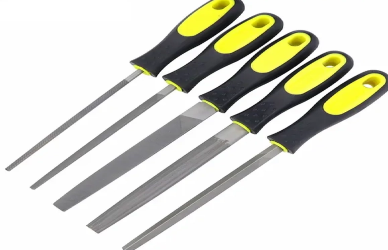
Metal files are essential tools used for shaping, smoothing, and refining materials, especially metals, wood, and plastics. They are commonly used in industries ranging from metalworking and automotive repair to furniture making and DIY projects. The efficiency and longevity of a metal file are significantly influenced by the materials used in its construction, such as the type of steel or coating. Understanding these materials helps in selecting the right file for a particular task, ensuring optimal performance and extending the tool’s lifespan. This article will delve into the science behind metal files, focusing on how the composition of the file and its design affect its performance in various applications, from fine detailing to heavy-duty work. By exploring the impact of material properties and file design, readers will gain a better understanding of how to choose and maintain metal files for the best results.
The Science of Metal Files
1.Basic Structure
Metal files are made from a variety of materials, each chosen for its durability, resistance to wear, and ability to handle specific tasks. Common materials used in manufacturing metal files include high carbon steel, stainless steel, and chrome-plated steel. High carbon steel files are known for their hardness and are ideal for fine, detailed work on softer metals. Stainless steel files, on the other hand, offer corrosion resistance and are better suited for environments where rust prevention is critical. Chrome-plated files are designed for added durability and wear resistance, extending tool life. The material of the file directly influences its performance, longevity, and ability to handle various types of materials during the filing process.
2.Cutting Surfaces
The cutting surfaces of a metal file are critical to its effectiveness. These surfaces are made up of cutting teeth or patterns that remove material as the file moves across the workpiece. There are several common types of cutting patterns:
Single-cut files have parallel grooves that run in one direction, making them ideal for general-purpose filing, providing smooth, moderate material removal.
Double-cut files feature two sets of parallel grooves, one at a 45-degree angle to the other, which allows for faster material removal and smoother finishes. These are often used for more aggressive filing tasks, like deburring or smoothing rough surfaces.
Rasp teeth are used in files meant for rough filing, particularly for wood or soft metals. Their large, aggressive teeth make them ideal for quickly removing material from softer surfaces, but they leave a rougher finish compared to other types. The specific pattern of teeth affects how efficiently the file can remove material and the finish it leaves behind.
3.Material Hardness
The hardness of the metal file itself plays a crucial role in its performance. Harder files are better suited to work on softer materials like aluminum, brass, and copper, as they can handle the abrasion without becoming dull quickly. Files made from high-carbon steel or chrome are typically harder and can cut through tougher materials, but the higher hardness can also lead to reduced flexibility, making the file more prone to breakage under stress. Softer files, often made from mild steel, may not last as long on hard materials but can be more flexible and resilient for finer, more precise work. The hardness of the file must match the hardness of the material being worked on to ensure efficient material removal without damaging the file or the workpiece. This balance of hardness between the file and the material is essential for achieving the best results in any machining or finishing task.

How Materials Affect the Performance of Metal Files
1.File Material
The material used to construct a metal file plays a vital role in its overall performance and longevity. Different metal alloys are selected based on their toughness, abrasion resistance, and corrosion resistance, all of which directly impact the file’s durability and efficiency. For example, high-carbon steel files are known for their strength and ability to withstand wear, making them ideal for softer metals. However, they may not perform as well in highly abrasive materials. Stainless steel files, on the other hand, offer superior corrosion resistance, which is especially beneficial in environments prone to rust, but they may be less durable than high-carbon steel in high-stress applications. Chrome-plated files are designed for high resistance to wear, making them suitable for more abrasive tasks but at a higher cost. The choice of material affects how long the file will last, how often it will need replacement, and its ability to handle various workpieces efficiently.
2.Surface Finish
The surface finish achieved by a metal file is influenced not only by the type of file but also by the material of the workpiece being filed. A high-quality file made from materials like chrome-plated steel can provide a smoother surface finish due to its abrasion-resistant properties. When used on softer materials like aluminum, a fine surface finish can be achieved, whereas filing harder materials like stainless steel may result in more roughness. The toughness and sharpness of the file determine how clean and precise the cut will be, and a worn or improperly maintained file will leave a rougher finish. Furthermore, the material of the workpiece also plays a role—softer metals tend to leave smoother finishes compared to harder metals, which can cause more friction and heat buildup, impacting the surface quality.
3.Compatibility with Work Materials
The compatibility of a metal file with the material being worked on is critical for efficient machining. Files made of high-carbon steel or ceramic-coated tools are often ideal for softer materials like aluminum or brass, as they are harder and can maintain their sharpness for longer periods when filing through such metals. In contrast, tougher materials such as titanium or hardened steel require files that are made from tougher alloys, like carbide or diamond-coated files. These types of files are specifically designed to handle the high forces and friction that arise when machining harder metals. Using a file that’s too soft for a hard material can result in tool wear, inconsistent cuts, or even file breakage, while using a file that’s too hard for a soft material might lead to over-filing or unwanted damage to the workpiece. Matching the right file material to the workpiece ensures optimal efficiency, precision, and tool longevity, making the entire machining process smoother and more effective.
Applications and Practical Considerations for Metal Files
1.Common Applications
Metal files are essential tools used across a wide range of industries, providing precision and efficiency in various applications. In metalworking, they are crucial for smoothing rough edges, removing burrs, and shaping metals such as steel, aluminum, and brass. This makes metal files indispensable for fabricating parts, finishing products, and preparing materials for further processes like welding or coating. In the automotive industry, metal files are used to fine-tune engine parts, trim bodywork, and ensure the smoothness of components that require tight tolerances. Furniture manufacturing also relies on metal files to smooth sharp edges and refine metal components, ensuring both safety and aesthetic appeal in finished products. Additionally, DIY projects frequently involve metal files to shape or finish metal, plastic, or wood parts, offering hobbyists and professionals alike the ability to achieve clean, smooth results in various crafting or repair tasks.
2.Choosing the Right File
Selecting the right metal file is crucial for achieving optimal performance in different tasks. When choosing a file, the material of both the file and the workpiece must be considered. For softer materials like aluminum or wood, files made from high-carbon steel are often ideal, as they are tough and maintain their sharpness longer. However, for harder materials such as titanium or stainless steel, files made from carbide or diamond-coated materials are recommended due to their superior hardness and wear resistance.
FAQ Section
(1)How do different materials affect the performance of metal files?
The material of both the metal file and the workpiece significantly affects performance. High-carbon steel files work well on soft materials like aluminum and brass, but wear out faster on harder alloys like stainless steel or titanium due to increased friction. Files made from carbide or diamond-coated materials perform better on harder materials, maintaining sharpness for longer.
(2)What are the key differences between various file materials like high-carbon steel and stainless steel?
High-carbon steel files offer durability and sharpness for softer materials but are prone to rust. Stainless steel files are rust-resistant and ideal for moist environments, but they wear faster on abrasive surfaces. High-carbon steel is better for heavy-duty tasks, while stainless steel excels in lighter, non-abrasive applications.
(3)How does the hardness of a metal file impact its efficiency and tool life?
Harder files, such as those made from carbide or diamond, are more efficient for removing material and have longer tool life, but they are more brittle. Softer files are less durable but offer better flexibility and are ideal for fine finishes on softer materials.
(4)What types of materials are best suited for high-carbon steel metal files?
High-carbon steel files are best for softer metals like aluminum, brass, and mild steel. They work well on wood and plastics but are not ideal for harder materials like titanium or stainless steel, as they wear out faster.
Conclusion
Understanding the relationship between the material of the metal file and the workpiece is crucial for achieving optimal performance and efficiency. High-carbon steel files are ideal for softer materials but wear out quickly on harder alloys, while stainless steel files offer rust resistance and are suited for lighter tasks. Harder files like those made from carbide or diamond-coated steel excel in machining tougher materials, ensuring longer tool life and precision. Selecting the right file material based on the specific task can significantly improve the quality of your work, reduce wear on tools, and enhance efficiency. By understanding these factors, users can make informed choices, ensuring precision, tool longevity, and cost-effectiveness in their filing tasks.