Introduction
Choosing the right caster is key to smooth equipment movement. But how do you pick the best one?In this guide, we’ll explore Types of Casters & Wheel Guide. We’ll help you choose the right caster based on load capacity, floor type, and material.
You’ll gain valuable insights to select casters that suit your needs and enhance efficiency.At KOSTER, our casters are designed for durability and smooth performance. Learn more about our products.
Understanding the Basics of Casters
What is a Caster Wheel?
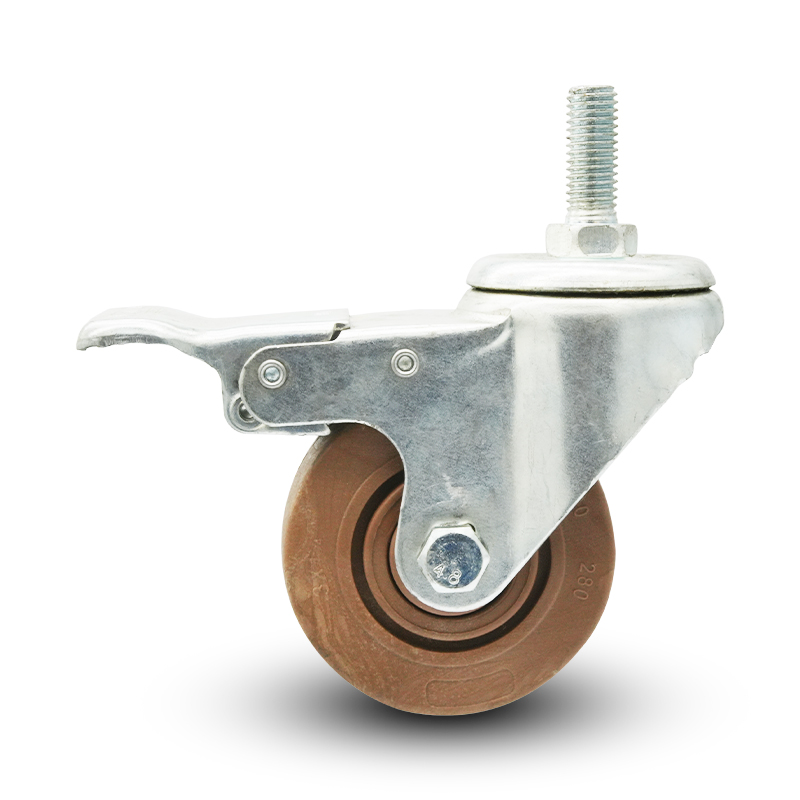
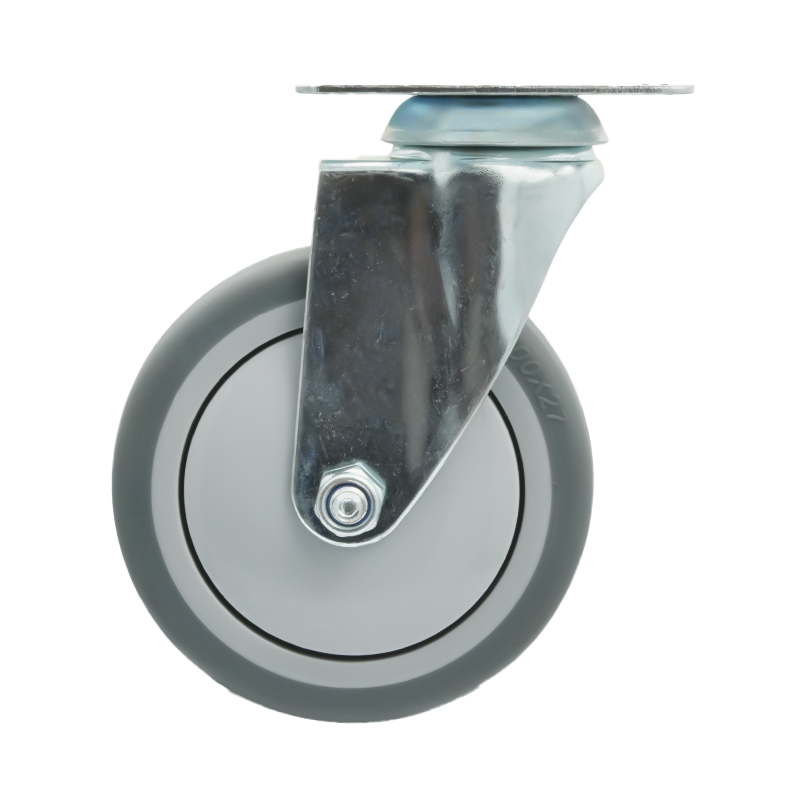
A caster is a device that includes a wheel and a mounting system designed to provide mobility to equipment. Casters are attached to various items like carts, medical equipment, machinery, and furniture. They make it easy to move these items without lifting or dragging, improving efficiency and reducing physical strain.
When considering casters for your equipment, it’s important to select wheels that provide reliable movement while supporting the weight and operational demands of your applications. Some caster wheels are specifically engineered for heavy-duty industrial machinery, while others are more suited for office chairs and lighter furniture.
Key Factors to Consider When Choosing Casters
When selecting casters, consider the following:
● Load capacity: Ensure the caster can support the weight of the equipment and any load it may carry.
● Floor type: Different casters perform better on different surfaces. Soft rubber works well on hard floors, while pneumatic wheels are ideal for rough terrain.
● Environment: For wet, oily, or chemically exposed environments, choose casters made of materials that resist corrosion or damage.
● Maneuverability: Depending on the application, you may need rigid or swivel casters.
Selecting the right type of caster can help ensure smooth movement across floors while offering durability in harsh environments. For example, high-quality swivel casters, made from strong materials like nylon, offer precise movement and are ideal for use in office settings or other places requiring easy directional control.

Types of Casters and Their Applications
Rigid Casters
Rigid casters, also known as fixed casters, only allow movement in a straight line—forward or backward. They are ideal for applications that require stable, predictable movement, such as in assembly lines or where heavy machinery needs to move in one direction.
● Best for: Carts and large equipment that don't require turning or maneuvering.
Rigid casters provide dependable performance when handling heavy loads, ensuring straightforward movement along fixed paths. Some casters, like silent rubber casters, are designed to move smoothly and quietly, reducing noise in environments like hospitals and offices.
Swivel Casters
Swivel casters are designed to rotate 360 degrees, allowing the wheel to turn and change direction easily. This makes them perfect for applications where you need high maneuverability, such as office chairs or hospital beds.
● Best for: Applications that require flexibility and easy direction changes.
Swivel casters, especially those made from high-quality nylon, provide exceptional maneuverability. Their robust design ensures that they can handle heavier loads while offering smooth, reliable movement, making them suitable for a variety of applications, from retail spaces to industrial settings.
Kingpinless Swivel Casters
Kingpinless swivel casters feature a unique design that doesn’t rely on a central bolt or rivet. This design distributes stress more evenly, resulting in a longer lifespan and better performance in environments with high stress or shock forces.
● Best for: Powered towing applications and environments with rough terrain.
Kingpinless casters are particularly suited for heavy-duty environments. They are an excellent choice for situations where reliability and durability are crucial, such as in warehouses or manufacturing facilities. These casters perform well even when subjected to constant movement and heavy loads, ensuring high mobility without compromising on performance.
Dual-Wheel Casters
Dual-wheel casters have two wheels side by side, distributing the weight more evenly and providing better stability. These are ideal for handling heavy loads, especially on soft or uneven surfaces.
● Best for: Heavy equipment or furniture moving on soft or uneven floors.
Dual-wheel casters are perfect for situations where increased stability is required. Whether it's industrial machinery or large office furniture, these casters ensure smooth movement across a range of surfaces, minimizing the risk of damage to floors or equipment. The added stability helps to maintain control when handling particularly heavy loads.
Caster Wheel Materials and Their Specific Characteristics
Rubber Casters
Rubber casters are known for their shock-absorbing properties and are often used in environments where noise reduction is crucial. They offer a smooth, quiet ride and are ideal for use on hardwood floors, tiles, or carpets.
● Best for: Use in indoor settings where floor protection and noise reduction are a priority.
Rubber casters, particularly those made from TPR (Thermoplastic Rubber), offer excellent cushioning, making them suitable for environments where both mobility and noise reduction are important. These casters are commonly found in offices and medical facilities, offering a balance of functionality and quiet operation.
Nylon and Polyurethane Casters
Nylon casters are strong and wear-resistant, making them ideal for heavy-duty industrial applications. Polyurethane combines the best features of rubber and plastic, providing a durable, quiet, and smooth ride.
● Best for: Industrial environments or applications requiring durability and load-bearing capacity.
Polyurethane casters are highly versatile and durable, making them ideal for applications where strength and flexibility are needed. These casters are particularly well-suited for environments requiring high maneuverability, such as manufacturing plants and retail spaces, where they offer long-lasting performance under continuous use.
Metal Casters (Steel, Cast Iron)
Metal casters are built for strength and durability, able to handle extreme weights and tough conditions. Steel casters are often used in industries where the focus is on strength over floor protection.
● Best for: Heavy-duty machinery and industrial settings where durability is key.
Metal casters, especially those made from steel, are perfect for industrial environments where heavy loads are common. These casters provide maximum strength and durability, ensuring long-lasting performance, even in harsh conditions like warehouses and factories.
Wheel Diameter | Best Use | Performance |
Small (up to 4") | Low-clearance furniture, light loads | Greater control, harder to move |
Medium (4"-6") | Office furniture, moderate loads | Balanced performance, versatile |
Large (6"+) | Heavy loads, rough surfaces | Smooth ride, handles heavy weight |
Choosing the Right Caster Wheel Size
Wheel Diameter and Load Capacity
Larger diameter wheels generally provide a smoother ride over uneven surfaces and can handle higher weights. However, they may increase the center of gravity, making the equipment less stable with higher loads.
Larger casters, such as those designed with high-quality polyurethane wheels, can provide smoother movement over obstacles. These wheels are particularly effective in environments where the floor is uneven or rough, helping to prevent unnecessary strain on equipment.
Impact of Wheel Width and Overall Height
Wider wheels offer better weight distribution and stability, especially on soft surfaces. The overall height of the caster affects how high your equipment is raised, which is an important consideration for ergonomics.
Larger, wider casters are commonly used for industrial carts and machinery, where weight needs to be distributed evenly to avoid damaging both the equipment and the floor.
Wheel Diameter | Best Use | Performance |
Small (up to 4") | Low-clearance furniture, light loads | Greater control, harder to move |
Medium (4"-6") | Office furniture, moderate loads | Balanced performance, versatile |
Large (6"+) | Heavy loads, rough surfaces | Smooth ride, handles heavy weight |
Caster Load Rating and Performance
Calculating Load Capacity for Casters
To determine the load capacity of a caster, divide the total weight (including the equipment and the load) by the number of casters. Add a safety margin by subtracting one caster and calculating the load for the remaining casters.
Calculating the load capacity is essential to ensure that the casters can safely handle the weight without risk of failure. Casters like rubber silent casters are designed to provide robust load-bearing performance in a variety of environments.
Evaluating Load Ratings for Different Caster Types
Different casters have varying load capacities. Heavy-duty casters can support much more weight, but they may not perform well in delicate environments.
For heavy-duty applications, it's crucial to select casters made of durable materials like steel or cast iron that can handle extreme loads without compromising their performance.
Caster Type | Load Rating (per caster) | Best Use |
Rigid Casters | Medium to High | Straight-line movement, industrial |
Swivel Casters | Medium to High | High maneuverability, office use |
Heavy-Duty Casters | Very High | Industrial machinery, warehouses |
Common Caster Mounting Types
Plate Mount Casters
Plate mount casters attach via bolts to the equipment's mounting plate. They offer stability and are often used in industrial applications where secure attachment is necessary.
● Best for: Larger equipment and carts requiring a solid connection.
Plate mount casters are commonly used for heavier industrial applications where secure attachment and reliability are critical. The construction ensures a tight fit, preventing the caster from loosening during movement.
Stem Mount Casters
Stem mount casters are inserted into pre-drilled holes in the equipment. This type of caster is commonly used for furniture and smaller applications.
● Best for: Lighter equipment or household use.
Stem mount casters, particularly those made with soft rubber wheels, provide an easy-to-install option for lightweight furniture and equipment, making them ideal for office and home use.
Bolt Hole Casters
Bolt hole casters are mounted using a bolt that fits through a pre-drilled hole in the equipment. They provide a simple and reliable attachment.
● Best for: Applications with standard mounting holes.
Bolt hole casters are often selected for lighter-duty equipment that requires a basic, reliable caster without the need for a specialized mounting system.

Maintenance Tips for Long-lasting Performance
Cleaning and Lubrication
Regularly clean casters to remove debris and dirt, especially in environments where dust and dirt accumulate. Lubricate the bearings and swivel joints to reduce friction and improve performance.
Cleaning and maintaining casters are vital to ensure their longevity. TPR silent rubber casters, for example, benefit from regular care to keep their smooth functionality intact, especially in environments where noise reduction is important.
Inspections and Replacements
Inspect your casters regularly for signs of damage, such as flat spots on the wheels or broken bearings. Replace damaged casters promptly to maintain safety and functionality.
Conclusion
Choosing the right caster is essential for smooth equipment movement. Consider factors like load capacity, material, and floor compatibility to enhance productivity and safety. Proper maintenance will extend the lifespan of your casters.
At KOSTER, our casters are designed for durability and performance, providing excellent value for your needs.
FAQ
Q: What are the different types of casters?
A: The main types of casters are rigid, swivel, kingpinless, and dual-wheel casters. Each type offers different levels of maneuverability and load-bearing capacity based on your needs.
Q: How do I choose the right caster wheel size?
A: Choose a larger wheel for heavy loads and rough terrain. Smaller wheels are ideal for low-clearance furniture or smoother floors.
Q: Why are polyurethane casters preferred for industrial use?
A: Polyurethane casters provide durability, load-bearing capacity, and smooth movement on a variety of surfaces, making them ideal for industrial environments.
Q: How do I maintain caster wheels for longevity?
A: Regular cleaning and lubrication are essential for maintaining your casters. Check for wear and replace damaged wheels to extend their lifespan.