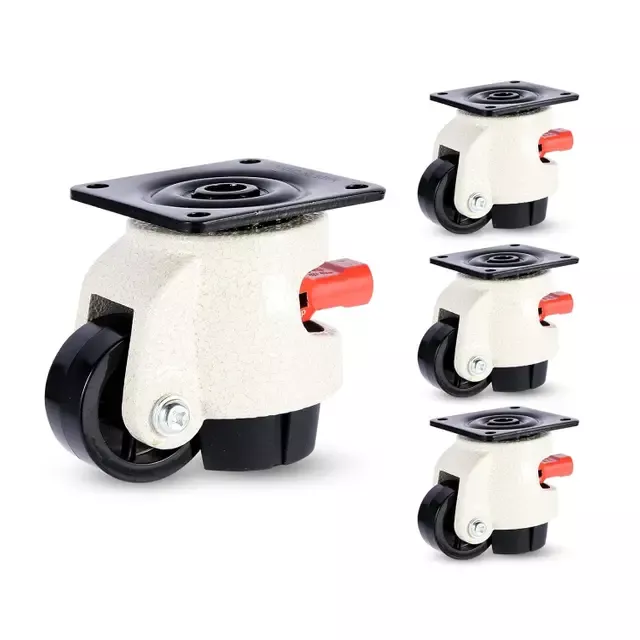
People often view mobility components as simple hardware. However, a caster is not just a wheel. It is a highly engineered mounting and mobility system. Designers integrate it directly into equipment, furniture, or machinery. Selecting the wrong Caster Wheel leads to severe operational headaches. You risk accelerated equipment wear. You might see serious ergonomic injuries from excessive push or pull resistance. You could also cause expensive facility floor damage. This comprehensive guide breaks down exactly what you need to know. We cover the core engineering parameters and material trade-offs. You will learn the critical load-bearing rules necessary to specify the correct mobility system. We focus specifically on commercial and industrial applications to help you make informed procurement decisions.
Key Takeaways
System Integration: Caster wheels combine a wheel, a yoke/frame, and a mounting mechanism, allowing multi-directional movement that standalone wheels cannot provide.
Safety Margins: Industry-standard load capacity calculations require a minimum 30% safety buffer above maximum static equipment weight to account for dynamic shifts.
TCO over Unit Cost: Selecting tread materials based on operational environments (e.g., polyurethane for oil resistance, cast iron for extreme heat) prevents premature failure modes like flat-spotting or tread delamination.
Ergonomic Impact: Proper specification of wheel diameter, tandem configurations, and kingpinless designs directly reduces operator fatigue and prevents dangerous "caster flutter" at higher speeds.
The Core Functionality: Wheels vs. Caster Wheels
Many people use the terms interchangeably. However, a significant physical distinction exists between them. A "wheel" is simply a single rotating component. It depends entirely on an external axle to function. You cannot mount a standalone wheel directly to a flat surface. Conversely, a caster is a complete sub-assembly. It includes the wheel, a metal frame or yoke, precision bearings, and a dedicated mounting plate or stem. This modular integration transforms a stationary object into a mobile asset.
This sub-assembly structure enables multi-directional mobility. Swivel casters utilize a rotating joint mechanism. Engineers design these with a specific offset distance. This offset forces the wheel to trail behind the steering axis. It allows the rig to rotate 360 degrees effortlessly. Rigid casters lack this rotating joint. They remain fixed, ensuring straight-line directional stability. Commercial carts typically require a hybrid configuration. You will often see two rigid rigs in the back and two swivel rigs in the front. This setup provides excellent steering control over long distances.
This mechanical distinction heavily impacts procurement. Procurement teams often mix up these technical terms. This confusion frequently leads to incorrect RFQs. Buyers might order replacement treads when they actually need entirely new mounting brackets. Specifying a "caster" ensures you buy the complete mounting solution. It guarantees you receive the yoke, bearings, and attachment hardware together. Recognizing this difference saves time, reduces return shipping costs, and keeps maintenance schedules on track.
Critical Applications for Industrial Caster Wheels
Heavy Manufacturing & Automotive
Success in heavy manufacturing requires extreme durability. Success criteria include high impact resistance and extreme temperature tolerance. Manufacturing environments routinely destroy standard mobility solutions. Dropping heavy dies onto a cart transfers massive shock loads directly into the floor contacts. Facilities need robust systems to survive.
The typical rollout involves specialized Industrial Caster Wheels. V-groove options provide excellent track-guided movement along inverted angle iron. For unguided routes, facilities rely on cast iron or forged steel assemblies. These heavy-duty units easily survive harsh forging environments. They can operate seamlessly in extreme temperatures ranging from -45°F to +250°F. Steel provides the ultimate capacity for moving multi-ton engine blocks or heavy stamping molds.
Warehousing and AGVs (Automated Guided Vehicles)
Modern warehousing operates continuously. AGV systems demand flawless mobility components. Success criteria include continuous duty cycles, minimal rolling resistance, and precise directional tracking. An automated vehicle cannot afford wheel failures. Battery life drains quickly if rolling resistance runs too high.
Engineers typically roll out heavy-duty polyurethane options here. Polyurethane provides an exceptional balance of grip and low friction. These premium units prevent expensive floor damage. They can support massive loads, sometimes up to 3,000 lbs per unit. Chemical bonding secures the polyurethane tread firmly to a cast iron or aluminum core. This prevents tread delamination during continuous, high-speed automated runs.
Medical, Cleanroom, and Food Service
Healthcare and food service face strict regulatory requirements. Success criteria include hygiene compliance, chemical wash-down resistance, and noise reduction. Equipment must roll silently through hospital corridors. It must also survive aggressive chemical sterilization processes without rusting.
The typical rollout features stainless steel rigs. Standard zinc-plated steel corrodes quickly under frequent wash-downs. Stainless steel offers superior corrosion resistance. Manufacturers often add anti-microbial coatings to the treads. Sealed precision bearings represent another critical upgrade. These seals prevent fluid ingress during cleaning. They also prevent internal bacterial growth, ensuring full compliance with health standards.

Evaluating Tread Materials
Defaulting to the cheapest material spikes your Total Cost of Ownership (TCO). A budget-friendly tread might save money upfront. However, it will likely require frequent replacements. Worse, incorrect materials cause severe secondary facility repairs. Destroying a high-end epoxy floor costs infinitely more than buying premium mobility hardware. You must match the material exactly to your operational environment.
Consider the trade-offs between polyurethane and rubber. Polyurethane carries a higher upfront cost. It offers superior load capacities, excellent chemical resistance, and non-marking properties. It excels in environments exposed to oils or solvents. Rubber excels at noise reduction. It easily protects fragile cargo by absorbing vibrations. However, rubber remains highly susceptible to irreversible "flat-spotting." If you leave rubber treads under heavy static loads for extended periods, they deform permanently.
Next, evaluate nylon and phenolic versus steel and cast iron. Nylon and phenolic materials offer high weight capacity. They resist harsh solvents brilliantly. However, they generate significant travel noise. They can also dent or scratch softer flooring materials. Steel and cast iron deliver maximum durability. They easily survive extreme industrial environments. Unfortunately, they guarantee the eventual destruction of untreated concrete or epoxy floors over time.
The general rule of thumb is straightforward. Choose hard wheels for soft surfaces like carpets. Choose soft wheels for hard surfaces like concrete, hardwood, or tile.
Material Type | Primary Advantage | Primary Drawback | Best Floor Type |
Polyurethane | High capacity, non-marking, resists oil | Higher initial cost, potential flat-spotting | Hardwood, Tile, Epoxy |
Rubber | Quiet operation, excellent shock absorption | Low load capacity, severe flat-spotting risk | Concrete, Uneven outdoor surfaces |
Nylon / Phenolic | High chemical resistance, easy rolling | Noisy, can dent soft flooring | Carpet, Factory concrete |
Cast Iron / Steel | Extreme durability, handles extreme heat | Destroys flooring, extremely noisy | Steel plates, V-groove tracks |
Engineering Limits and Load-Bearing Calculations
Specifying the right weight capacity prevents catastrophic failures. Engineers rely on the +30% redundancy rule. You should never specify a system based exactly on your maximum equipment weight. Dynamic forces multiply static weight. Hitting a crack in the floor creates a shock load. This shock temporarily exceeds the static rating. You must build a safety buffer into your calculations.
The combined load rating must exceed the maximum gross weight by at least 30%. This gross weight includes the cart itself plus the fully loaded cargo. Follow these steps to calculate the proper load rating:
Determine the maximum weight of your cargo.
Add the physical weight of the cart or equipment structure.
Multiply this total gross weight by 1.3 to add the 30% safety buffer.
Divide this final number by the total number of load-bearing points (typically 4).
This formula ensures each point absorbs uneven floor impacts and weight shifting safely.
Another technical failure mode is caster flutter, sometimes called shimmy. Wheels vibrate violently at certain speeds. This flutter causes severe tracking issues and damages the payload. Incorrect offset distances usually cause this phenomenon. You can implement several engineering interventions to stop it. Adjusting the trailing distance often resolves the core physics issue. Adding rotational dampers slows the swivel action safely. Upgrading the bearing types also tightens the assembly, eliminating the loose play causing the vibration.
Ergonomics heavily influence operator fatigue. Wheel diameter and tread hardness dictate push and pull resistance. Larger diameters easily roll over debris and floor gaps. Harder treads reduce rolling friction significantly. Sometimes, you need a high weight capacity but cannot sacrifice ergonomics. Tandem setups offer an elegant solution. These dual-wheel setups increase the overall weight capacity. They avoid the high rotational friction normally associated with single, extra-wide wheels. They make turning heavily loaded carts much easier for your staff.
Advanced Configurations for High-Stakes Rollouts
Industrial applications frequently destroy standard mounting frames. Traditional kingpins often shear under high-impact use. The kingpin is the central rivet holding the swivel raceway together. When a forklift drops a heavy load onto a cart, the shock travels straight into this pin. Kingpinless designs solve this specific failure mode entirely. They use inner and outer raceways filled with ball bearings. This design eliminates the central pin. It distributes shock loads evenly across a much larger surface area. Kingpinless rigs boast significantly longer lifespans in brutal environments.
Securing equipment properly requires specialized braking and locking systems. Evaluate your securing methods based on operational risk. Different environments require different immobilization strategies.
Side/Cam Brakes: These provide basic frictional locking for light duties. A lever presses a metal plate directly against the hub or tread. They work well for stationary office equipment or light utility carts.
Total Lock Brakes: These mechanisms simultaneously lock the wheel rotation and the swivel action. Engaging the pedal provides absolute stability. They prevent the rig from rolling and stop the bracket from pivoting.
Central Locking Systems: These advanced systems connect multiple units together. They allow operators to lock all four corners via a single pedal. Medical staff rely on them for rapid-response hospital beds. They also secure large assembly platforms in aerospace manufacturing.
Conclusion
Proper mobility systems keep commercial operations moving safely and efficiently. You must look beyond simple dimensions when upgrading your equipment. Base your final procurement decisions on three critical pillars. First, calculate the maximum dynamic load strictly using the 30% safety buffer. Second, ensure absolute floor surface compatibility to protect your infrastructure. Third, match your materials to specific environmental exposures like harsh chemicals, frequent wash-downs, or extreme heat.
Your next step requires a proactive facility audit. Walk the floor and observe the existing failure modes on your equipment. Are your current rubber treads flat-spotting under heavy static loads? Are steel treads actively damaging your expensive epoxy coatings? Gather this specific data. Use these real-world observations to specify the upgraded material, bearing type, and braking system in your next vendor RFQ.
FAQ
Q: What is the difference between a swivel caster and a rigid caster?
A: Rigid casters only move in a straight line, providing directional stability, while swivel casters feature a rotating joint that allows 360-degree maneuverability. Most commercial carts use two rigid and two swivel casters.
Q: How do I stop caster wheels from vibrating or fluttering at high speeds?
A: Caster flutter is typically caused by incorrect offset distances or insufficient dampening. Upgrading to heavier-duty swivel joints, installing dampers, or increasing wheel diameter can eliminate the shimmy.
Q: Why do my rubber caster wheels develop flat spots?
A: Prolonged static loading forces the rubber tread to compress against the floor. Over time, or under excessive weight, this deformation becomes permanent. For high static loads, polyurethane or nylon materials are required.
Q: Can I just replace the wheel, or do I need to buy a whole new caster?
A: If the metal yoke (bracket) and swivel bearings are undamaged, you can replace just the wheel by removing the axle bolt. However, if the swivel mechanism is compromised, the entire caster assembly must be replaced.