Introduction
Choosing the right caster size is crucial for smooth movement. The wrong size can cause issues with performance and safety.
In this guide, we’ll help you select the best caster size for your needs. We'll focus on load capacity, floor type, and intended use.
You’ll learn how to make the best choice for your equipment. At KOSTER, we provide durable casters designed for performance. Learn more about our products.
Understanding Caster Wheel Sizes
What Are Caster Wheel Sizes?
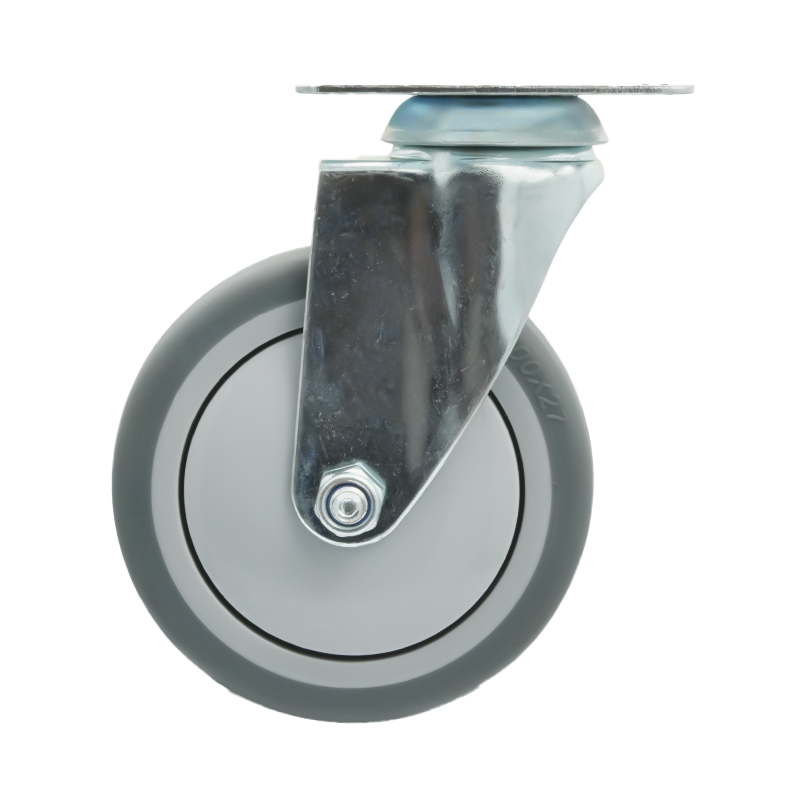
Caster wheel size refers primarily to the diameter of the wheel. This measurement is critical as it determines the load-bearing capacity of the caster. The larger the caster wheel, the more weight it can typically support, making it ideal for heavy-duty applications. Smaller casters are better suited for lighter loads, such as office chairs or light carts.
While diameter is a key factor, it's not the only consideration. The width of the wheel and its material also influence its performance. For example, polyurethane wheels are commonly used for their durability and ability to handle heavy weights, while rubber wheels offer shock absorption and are ideal for smooth surfaces.
Caster Wheel Size (Diameter) | Typical Load Range | Best Use |
2 - 3 inches | Light loads (up to 100 lbs) | Office furniture, light carts |
4 - 6 inches | Medium loads (100-300 lbs) | Industrial carts, retail display |
6 - 8 inches | Heavy loads (300+ lbs) | Large machinery, heavy-duty carts |
Importance of Wheel Width and Material
The width of the wheel impacts stability. Wider wheels tend to distribute weight more evenly, preventing damage to floors and providing a more stable load. Additionally, caster materials play a significant role in performance. Nylon and polyurethane are excellent for industrial uses, while rubber is often selected for softer floors due to its shock-absorbing qualities.
Material | Benefits | Best Use |
Polyurethane | Durable, smooth ride, wear-resistant | Industrial machinery, heavy-duty carts |
Rubber | Shock absorption, floor protection | Smooth floors, low-impact environments |
Nylon | High strength, wear-resistant | Heavy-duty applications, industrial environments |
TPR (Thermoplastic Rubber) | Quiet operation, flexible, non-marking | Office furniture, retail carts, hospitals |
Factors Affecting Caster Size
Load Capacity and Weight Distribution
One of the most important factors in choosing caster wheel size is load capacity. If casters are too small for the load, they can wear out quickly or even fail, leading to downtime and safety hazards. Conversely, oversized casters might create mobility issues, especially if the equipment needs to maneuver in tight spaces.
When calculating load capacity, ensure that the total weight of the load is distributed evenly across all casters. If weight distribution is uneven, some casters may bear more load than others, increasing wear and potentially leading to failure.
Floor Type and Surface Considerations
Flooring plays a crucial role in determining the appropriate caster size. Different floor types present varying levels of resistance. For example, smooth surfaces, like tiles or hardwood, allow for easier movement with smaller casters. However, for rougher surfaces such as gravel or concrete, larger casters are required to navigate the terrain effectively.
Furthermore, soft floors like carpet or vinyl require wider, softer casters that can prevent sinking or dragging, ensuring smoother movement.
Speed, Maneuverability, and Movement
The speed and maneuverability required from your equipment should influence the caster size you select. Smaller casters are best for applications requiring high maneuverability and quick movements, like in warehouses or production lines. For applications that prioritize stability over speed, larger casters with fixed positions may be better suited.
Casters designed for swiveling allow greater flexibility and direction changes. However, these casters are usually smaller and not as stable as their rigid counterparts, which provide better straight-line movement but less flexibility.

How to Choose the Right Caster Wheel Size
Step-by-Step Guide to Selecting Caster Size
1. Calculate Load Weight: Start by calculating the total load weight, including the weight of any equipment, materials, or objects the caster will support. Divide this total weight by the number of casters used to evenly distribute the load. This ensures that each caster bears its fair share of the load, preventing overloading and enhancing longevity.
2. Consider the Floor Type: The type of flooring your casters will roll on plays a significant role in caster size selection. Softer floors, like carpet or vinyl, require larger, softer wheels to prevent sinking or dragging. On hard floors, such as concrete or tile, smaller, harder wheels are more effective in providing a smooth, stable ride while avoiding damage to the surface.
3. Determine the Movement Required: Understanding the movement required for your application is crucial. Will the equipment need to turn frequently or be maneuvered in tight spaces? If so, swivel casters are essential, and choosing smaller wheels can help with easier turning and more precise movements. For straight-line movement, rigid casters may be more suitable, offering better stability.
4. Check Load Ratings: Every caster comes with a load rating that indicates its maximum weight capacity. When selecting casters, ensure that the total load is well within the rating of the casters. For added safety and longer durability, it's always wise to select casters with a slightly higher load capacity than what is calculated.
Practical Examples for Different Applications
● Heavy-Duty Applications: For machinery or industrial carts, large casters (ranging from 4 to 8 inches) are recommended. These casters are typically made from durable materials like polyurethane or steel, which can bear heavy loads while offering the necessary stability and smooth movement across rough terrain.
● Light-Duty Applications: For lighter tasks such as office chairs, small carts, or furniture, smaller casters (2 to 3 inches) are sufficient. These casters, often made of materials like soft rubber or plastic, offer easy maneuverability and are ideal for smooth, flat surfaces such as office floors or retail environments.
Load Capacity | Caster Size (Diameter) | Suggested Material |
Light (up to 100 lbs) | 2 - 3 inches | Rubber, TPR |
Medium (100-300 lbs) | 4 - 6 inches | Polyurethane, Nylon |
Heavy (300+ lbs) | 6 - 8 inches | Polyurethane, Steel |
Caster Size for Heavy-Duty Applications
Choosing Casters for Large Equipment and Machinery
Heavy-duty casters are crucial for large equipment that needs to carry substantial weight. These casters typically range from 4 to 8 inches in diameter. They are made from durable materials such as polyurethane or steel. Polyurethane wheels are often favored due to their exceptional durability, resistance to wear, and ability to handle heavy loads with ease.
Choosing the right size and material for heavy-duty casters is essential for ensuring the equipment can move smoothly while withstanding the stresses of heavy weight. It’s important to match the caster size with the load requirements for optimal safety and performance.
Load Ratings and Safety in Heavy-Duty Environments
Casters used in heavy-duty environments face greater stress. This makes it essential to evaluate load ratings carefully. Using casters not rated for the proper load can result in equipment failure, accidents, or floor damage. Always ensure that the casters you choose can handle at least 25% more weight than the expected load to provide a margin of safety. Load ratings are critical for determining which casters will maintain their function under significant weight and pressure.
Caster Size for Light-Duty Applications
Casters for Office Furniture, Carts, and Small Equipment
For lighter applications like office chairs or small carts, choosing the right caster size is essential for achieving the right balance between speed, maneuverability, and stability. Smaller casters, typically ranging from 2 to 3 inches, are ideal for light-duty use. They offer easy movement on smooth floors while maintaining sufficient stability.
Casters designed for office furniture or light equipment often feature materials like thermoplastic rubber (TPR) that are specifically designed to protect floors from damage. These materials also ensure smooth movement with minimal noise, which is crucial in office settings or other indoor environments.
Comparing Swivel and Fixed Casters for Light-Duty Use
Swivel casters are commonly used for office furniture or carts because they allow easy changes in direction. They provide better maneuverability, especially in confined spaces. On the other hand, fixed casters are better for straight-line movement and stability. For a balanced solution in light-duty environments, a common configuration includes two swivel casters and two fixed casters. This setup provides flexibility for movement while maintaining stability and control.
Common Caster Size Mistakes to Avoid
Overloading Casters and Choosing Wrong Sizes
Selecting the wrong caster size—either too small or too large—can lead to various problems. Undersized casters will wear out quickly and may break under heavy loads, leading to potential accidents and equipment failure. Oversized casters, while able to carry heavier loads, can compromise maneuverability, especially in smaller or more confined spaces. To avoid these issues, it's important to calculate the load capacity carefully and choose casters that fit the equipment’s design and operational needs.
Incorrect Wheel Material Choices
Choosing the wrong material for your casters can lead to damage to both the casters and the floor. For example, steel casters, though perfect for industrial applications, can cause significant damage to soft floors such as wood or vinyl. Conversely, softer wheels like rubber or polyurethane are better suited for environments with delicate flooring. Always select the wheel material that aligns with the floor type to avoid unnecessary wear and tear and to ensure smooth movement.
By understanding these common mistakes, you can make more informed decisions when selecting casters, ensuring that your equipment moves efficiently and safely across various environments.
Conclusion
Choosing the right caster size is essential for smooth operation and reducing downtime. By considering factors like load capacity and floor type, you can make informed decisions that improve safety and productivity. Selecting the appropriate caster will optimize performance and reduce failure risks.
At KOSTER, we offer high-quality casters designed to meet your specific needs. Whether you need TPR Silent Rubber Casters or heavy-duty options, the right choice ensures smoother movement and enhanced safety.
FAQ
Q: What size casters do I need for heavy equipment?
A: For heavy equipment, choose casters with a diameter of 6-8 inches. These larger casters are better equipped to handle higher loads and provide stability.
Q: How do I choose the right caster wheel size for office furniture?
A: For office furniture, smaller casters (2-3 inches) are ideal. They provide smooth movement on flat surfaces while ensuring stability.
Q: Why is caster size important for industrial machinery?
A: The right caster size ensures smooth movement, reduces wear on floors, and handles heavy loads, optimizing industrial machinery performance.
Q: Can the wrong caster size cause damage to floors?
A: Yes, undersized casters can lead to floor damage, especially on soft surfaces. Choosing the right size prevents unnecessary wear.